
Disclosure: this is an independent guide, not the manufacturer’s website. Some links here are affiliate links and we may earn a commission at no extra cost to you. † These statements have not been evaluated by the Food and Drug Administration. This product is not intended to diagnose, treat, cure or prevent any disease, and nothing here is medical or dental advice — bleeding gums, persistent pain, a loose tooth or a mouth sore that has not healed in two weeks need a dentist.
| What it is | A water-soluble vitamin (ascorbic acid) the body cannot make or store and must get daily. |
| Why for gums | It is essential for collagen, the protein that gives gum tissue its strength and structure. |
| Dosing context | Adult RDA is about 75–90 mg/day; the upper limit is 2,000 mg/day. |
| Label tip | Swallow tablets rather than chewing acidic forms against teeth; look for a clear mg amount. |
Ask a dentist which nutrient the gums care about most and vitamin C will be near the top of the list. There is a good reason for that. Gums are made largely of collagen — the same tough, flexible protein that holds skin, ligaments and blood-vessel walls together — and the body simply cannot build collagen without vitamin C. That makes vitamin C for gums and teeth one of the clearest ingredient-and-mechanism stories in all of oral nutrition. This guide explains what vitamin C is, exactly how it supports the soft tissue of the mouth, the historical link with scurvy, how much you actually need, one practical caution about acidity, and what to look for on a label.
Because vitamin C is a soft-tissue nutrient, it complements the enamel and mineral focus of OxyDental Pro and pairs naturally with our guides on iodine for oral health and chlorella for teeth and gums, which also feed and support the soft lining of the mouth.
Vitamin C, or ascorbic acid, is a water-soluble vitamin found in citrus fruit, berries, peppers, broccoli and many other fresh plants. Unlike most animals, humans have lost the ability to make their own vitamin C, so we must get it from food. And because it dissolves in water and is not stored in large amounts, the body needs a fairly steady daily supply rather than an occasional big hit.
It plays several roles: it is a powerful antioxidant, it supports the immune system, it helps the body absorb iron from plant foods, and — most relevant here — it is an essential cofactor for building collagen.
Vitamin C's contribution to the mouth is mostly about the soft tissue that surrounds and anchors the teeth. Here is how it works.
Collagen does not assemble itself. Two enzymes have to modify the raw protein strands so they can twist into strong, stable fibres, and both of those enzymes need vitamin C to do their job. Without enough vitamin C, the collagen that gets made is weaker and less stable. Since gums, the periodontal ligament that holds each tooth in its socket, and the walls of tiny blood vessels are all collagen-rich, they are all directly dependent on an adequate vitamin C supply.
The mouth is a busy, oxygen-rich environment, and everyday metabolism produces reactive molecules called free radicals. As an antioxidant, vitamin C helps neutralise some of these, supporting the tissue against ordinary oxidative wear. This is a general, protective role rather than a targeted treatment.
Because collagen production underpins the body's ability to maintain and renew connective tissue, adequate vitamin C is part of the nutritional foundation for healthy gum tissue that is constantly being replaced. Think of it as one of the raw requirements for the tissue to do its normal maintenance work.
The clearest evidence for vitamin C's role in the gums came, unfortunately, from sailors. On long voyages without fresh fruit, a severe, prolonged deficiency called scurvy produced swollen, bleeding gums and loose teeth — a direct consequence of collagen falling apart without the vitamin to build it. The discovery that citrus prevented the problem is one of the founding stories of nutrition science.
To be clear and compliant: full-blown scurvy is rare today in anyone eating a varied diet, and this article is not about treating any deficiency disease. The scurvy story simply illustrates why gums depend on vitamin C in the first place — the mechanism is collagen, and collagen needs the vitamin.
Vitamin C has the clearest mechanism of any nutrient in this field, because it is a required cofactor in collagen synthesis and gum tissue is largely collagen. The dental trial evidence is newer and mostly tests vitamin C as an add-on to professional treatment. A 2025 randomised controlled clinical trial in Scientific Reports evaluated chlorhexidine and vitamin C mouthwash on oral health during non-surgical periodontal therapy (PMID 39881161), and a 2025 randomised controlled clinical trial in BMC Oral Health tested injectable platelet-rich fibrin with vitamin C as an adjunct to non-surgical treatment of stage-II periodontitis (PMID 40410805). A 2026 review in Nutrients covers vitamin C beyond deficiency, including formulation, dosing and safety considerations (PMID 42514388).
The strongest evidence, though, is the oldest and the least glamorous: severe deficiency causes scurvy, whose classic signs include swollen, bleeding gums and loosening teeth. That tells you adequacy matters enormously and tells you nothing about whether extra helps someone already adequate. Reference intakes and the 2,000 mg adult upper limit are published in the NIH Office of Dietary Supplements vitamin C fact sheet. And the practical caution worth repeating: bleeding gums are far more often a sign of gum disease than of a vitamin deficiency, and they need a dentist, not a higher dose.
Vitamin C's role as a required cofactor for collagen synthesis is well established biochemistry, not a marketing claim. Its status as one of the body's key water-soluble antioxidants is equally well documented. Researchers continue to study how vitamin C intake relates to gum health in the general population, and the sensible reading is that adequate intake supports normal, healthy tissue while extremely high doses do not offer proportional extra benefit.
The honest framing: vitamin C is an essential nutrient with a real, mechanism-based role in maintaining collagen-rich gum tissue. It is not a cure for gum disease and does not replace brushing, flossing or professional dental care. It works best as part of a balanced diet.
One caution unique to the mouth: chewable and effervescent vitamin C is acidic. Held against the teeth repeatedly, that acid can contribute to enamel wear over time — the same softening-then-abrasion pattern behind acidic foods and drinks. The fix is simple: swallow tablets or capsules rather than chewing acidic forms against your teeth, and rinse with water if you do use a chewable. This is about how you take it, not a knock against the nutrient. For the flip side of the acid story, see our guides on stevia and enamel and xylitol.
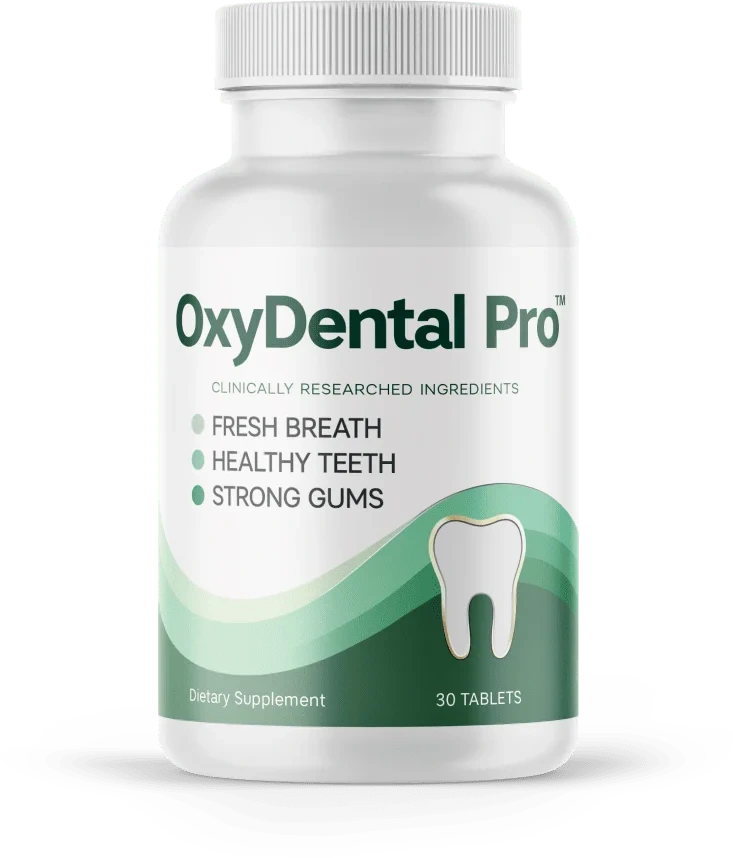
Teeth need two kinds of support: minerals for the hard enamel and structure, and nutrients like vitamin C for the soft, collagen-rich gums around them. OxyDental Pro focuses on the mineral side with calcium, iodine, chromium and a botanical blend — a natural partner to a diet rich in vitamin C. Five actives, one daily tablet.
See the Full FormulaVitamin C is not the only antioxidant with a gum-tissue literature behind it, and the other one has been tested directly in periodontal patients — see CoQ10 for gums and teeth.
Plain ascorbic acid is the well-studied standard. Buffered forms such as sodium ascorbate or calcium ascorbate are gentler on sensitive stomachs. Whichever it is, the label should state a clear milligram amount.
A dose in the range of the RDA up to a few hundred milligrams covers most needs. Mega-doses near the upper limit are rarely necessary and can upset the gut.
If you prefer chewables, be aware of the acidity and rinse afterwards; otherwise choose a swallowed tablet or capsule to keep acid off the tooth surface.
Vitamin C works best as part of a varied diet and a complete routine. Pair a good dietary intake with mineral support for enamel — for example the calcium and hydroxyapatite story — for whole-mouth coverage.
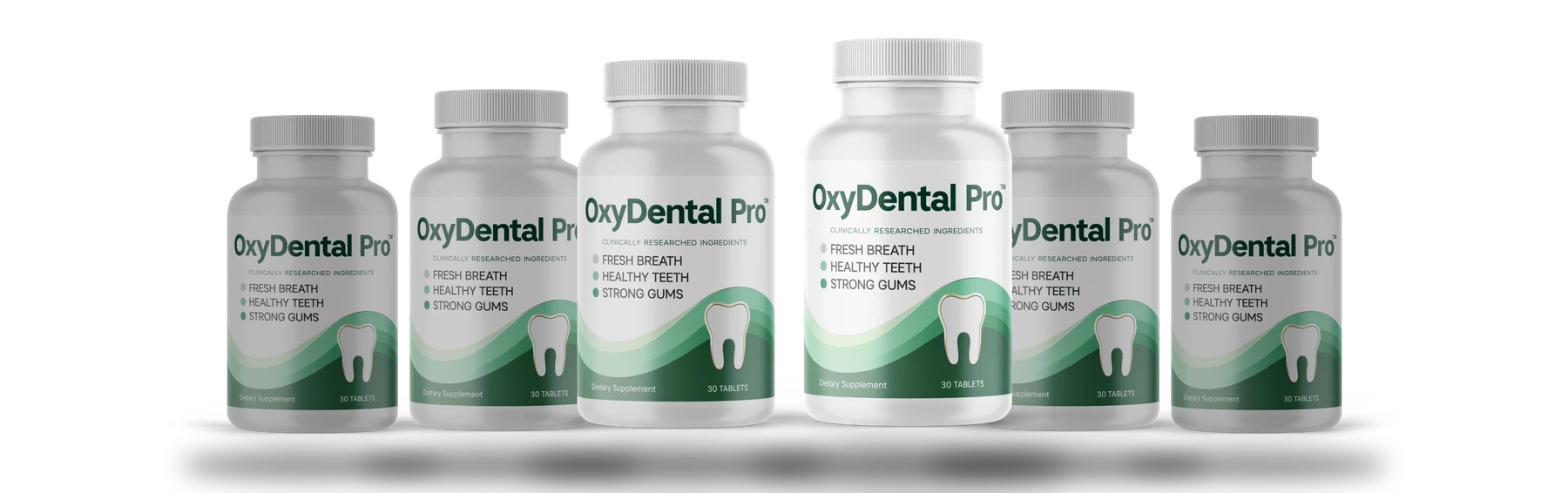
OxyDental Pro brings measured mineral actives together with a botanical blend in one daily tablet, a natural partner to a vitamin-C-rich diet. The 6-bottle package is the best value with free U.S. shipping and three bonus guides, backed by a 60-day money-back guarantee.
 See OxyDental Packages
Vitamin C is essential for making collagen, the protein that gives gum tissue and the ligaments holding teeth in place their strength and structure. It also acts as an antioxidant in the mouth. Because gums are collagen-rich tissue that renews constantly, an adequate vitamin C intake supports their normal maintenance and repair.
Without enough vitamin C, the body cannot build collagen properly. Historically this was seen in scurvy, where a severe long-term deficiency led to swollen, bleeding gums. Modern deficiency is uncommon in people eating a varied diet, but the underlying reason gums depend on vitamin C is the same: collagen production requires it.
The adult recommended dietary allowance is about 75 mg per day for women and 90 mg per day for men, with smokers needing more. The tolerable upper intake level for adults is 2,000 mg per day. Because vitamin C is water-soluble and not stored, a steady daily intake from food and supplements matters more than a single large dose.
Chewable or effervescent vitamin C tablets are acidic and, if held against the teeth often, that acid can contribute to enamel wear over time. Swallowing a tablet or capsule avoids prolonged acid contact with the tooth surface, and rinsing with water after chewable forms helps. This is about how you take it, not about vitamin C being bad for teeth.
Plain ascorbic acid is well studied, inexpensive and effective. Buffered forms such as sodium ascorbate or calcium ascorbate are gentler for sensitive stomachs, and formulas with bioflavonoids aim to mimic whole-food vitamin C. On a label, look for a clear milligram amount and, for chewables, awareness of acidity.
For most people, yes. A varied diet with citrus fruit, berries, peppers and vegetables such as broccoli easily provides the recommended amount. Supplements can help when the diet is limited, but they are a top-up to good eating rather than a replacement for it. Check with your physician if you are pregnant, nursing, taking medication or have a health condition.
Sources for the claims above. Every PubMed link was checked against the NCBI record on 3 September 2026, so the title shown here is the title of the paper it opens.
Research into an ingredient is not evidence about any finished product. No clinical trial has been published on the OxyDental Pro formula, and none of the studies above tested it; the doses used in research are frequently different from the amounts on a supplement label.
The OxyDental Research Team is an independent group of writers and reviewers focused on oral-health nutrition and supplement science. We read the ingredient literature, cross-check dosing against public sources such as the NIH Office of Dietary Supplements, and explain the mechanisms in plain language.
Everything here is general educational information about ingredients and their traditional or researched uses. It is not medical advice, and it does not diagnose, treat, cure or prevent any disease. Talk to a dentist or physician about your own situation.
Keep exploring: read about chlorella for teeth and gums, learn how iodine supports soft tissue, or return to the OxyDental Pro homepage.
† These statements have not been evaluated by the FDA. This product is not intended to diagnose, treat, cure or prevent any disease. This article is for general information only and is not medical advice.