
Disclosure: this is an independent guide, not the manufacturer’s website. Some links here are affiliate links and we may earn a commission at no extra cost to you. † These statements have not been evaluated by the Food and Drug Administration. This product is not intended to diagnose, treat, cure or prevent any disease, and nothing here is medical or dental advice — bleeding gums, persistent pain, a loose tooth or a mouth sore that has not healed in two weeks need a dentist.
| What it is | A nutrient-dense green algae that is one of nature’s richest sources of chlorophyll. |
| Why for the mouth | Its chlorophyll is traditionally used as an internal deodoriser for fresh breath, and it supplies supporting nutrients for healthy soft tissue. |
| Dosing context | Stand-alone doses are often 1–3 g/day; in a blend it appears in smaller supporting amounts. |
| Label tip | Look for a named species (e.g. Chlorella vulgaris), “broken cell wall”, and purity testing. |
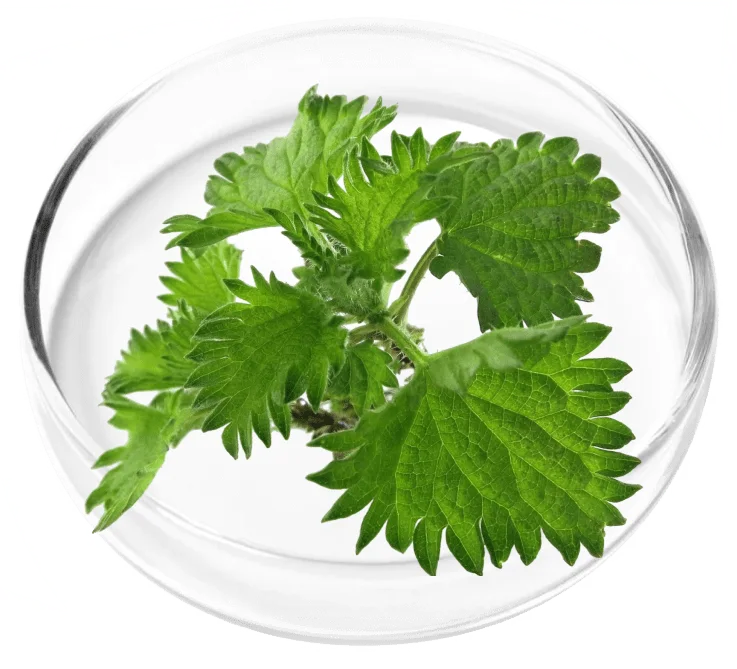
Some ingredients earn their place through a single, elegant idea. Chlorella is one of them. This tiny freshwater green algae is one of the most nutrient-dense foods on the planet and, crucially for the mouth, one of the richest natural sources of chlorophyll — the same green pigment that has been used for generations as a natural internal deodoriser. That is why chlorella benefits for teeth and gums is really a story about fresh breath from the inside and about feeding soft tissue the nutrients it needs. This guide explains what chlorella is, the mechanism behind its role in oral health, how it differs from copper chlorophyllin, how much people typically use, and how to read a label.
Chlorella vulgaris is part of the botanical Dental Health Blend inside OxyDental Pro, so we will show exactly where it fits in a whole-mouth formula. It is the natural companion read to our guide on copper chlorophyllin for bad breath and our new deep dive on iodine for oral health.
Chlorella is a single-celled green algae that grows in fresh water. It has been studied and consumed as a food supplement for decades, prized for packing an unusually broad range of nutrients into a tiny package: complete plant protein, B vitamins, iron, magnesium, zinc, antioxidants and, above all, a concentration of chlorophyll so high it gives chlorella its deep green colour.
Because its cell wall is tough, high-quality chlorella is usually processed so the wall is “broken” or “cracked”, which makes its nutrients easier for the body to absorb. It is exactly the kind of whole-food, nutrient-rich botanical that rounds out a mineral-based formula — supplying not one active but a small chorus of supporting nutrients.
Chlorella does not scrub enamel or replace brushing. Its contribution is nutritional and, most famously, deodorising. Here is how it works.
Chlorophyll has a long history of use as an internal deodoriser, and chlorella is one of the richest sources you can find. The idea is simple and appealing: rather than covering odour with mint, chlorophyll and its derivatives are traditionally used to help neutralise the sulphur-containing compounds behind bad breath at the source. In the mouth and gut, this “freshness from within” approach is the same principle that makes chlorophyll drinks and green-food supplements popular.
Gums and the soft lining of the mouth are living tissues that renew constantly, and that renewal draws on a wide range of nutrients. Chlorella’s mix of vitamins, minerals and antioxidants makes it a sensible supporting player — not a targeted gum treatment, but a nutrient-dense contribution to the overall diet that healthy tissue depends on.
In a well-designed formula, chlorella plays a different role from a single isolated mineral. It brings whole-food breadth, while ingredients like calcium and chromium bring targeted, measured action. That combination — broad plus specific — is the logic behind pairing chlorella with the rest of the OxyDental Pro actives.
This is the most common point of confusion, and it is worth clearing up. Chlorella is the whole green algae, which naturally contains chlorophyll along with everything else in the plant. Copper chlorophyllin is a purified, water-soluble derivative of chlorophyll — a refined single compound rather than a whole food.
They are complementary, not interchangeable. OxyDental Pro uses both: copper chlorophyllin as a concentrated, targeted freshening compound, and chlorella as a whole-food source of chlorophyll plus supporting nutrients. If you want the full story on the purified derivative, our copper chlorophyllin guide covers its mechanism and dosing in detail.
Here is the part most pages skip: chlorella has not been tested for oral-health outcomes in humans. There is no trial measuring plaque, gum bleeding or breath after taking chlorella, and anyone who implies otherwise is filling a gap with confidence. What does exist is a body of work on chlorella as a food and as a supplement for other endpoints. A 2026 review in Food & Function catalogues its bioactive composition and the mechanisms proposed for it (PMID 42306826), while a 2025 systematic review and meta-analysis of randomised controlled trials in Nutrients assessed chlorella and spirulina as adjuvants in cardiovascular risk factor control (PMID 40289965) and a 2025 GRADE-assessed meta-analysis in Nutrition Reviews looked at algae supplementation and anthropometric indices (PMID 39461896).
So the defensible claim is narrow and worth stating plainly: chlorella is a nutrient-dense whole food that supplies chlorophyll and trace minerals, and that is why it appears in a mineral-oriented formula. It is not an established treatment for anything that happens in the mouth, and gum problems still belong with a dentist.
Chlorella has been studied for general nutrition, antioxidant status and its chlorophyll content, and chlorophyll itself has a long documented history as a deodorising agent. As with most botanicals, the strongest, most honest framing is that chlorella is a nutrient-dense supporting food with a traditional deodorising role — not a proven treatment for any gum or dental condition. Direct, isolated trials on chlorella and specific oral outcomes are limited, so we describe it in terms of its nutrient profile and traditional use rather than clinical claims.
The compliant takeaway: chlorella is a supportive, whole-food ingredient that fits a fresh-breath and healthy-tissue routine. It works best as part of a balanced diet and a well-rounded formula, and it does not replace brushing, flossing or the care of a dentist.
In OxyDental Pro, chlorella vulgaris is part of the 120 mg botanical Dental Health Blend (with boron citrate and shilajit), where it contributes chlorophyll and whole-food nutrients alongside the formula’s targeted minerals. That is the sensible way to use a green whole food in an oral supplement: as broad support, in good company, rather than as a stand-alone green shot.
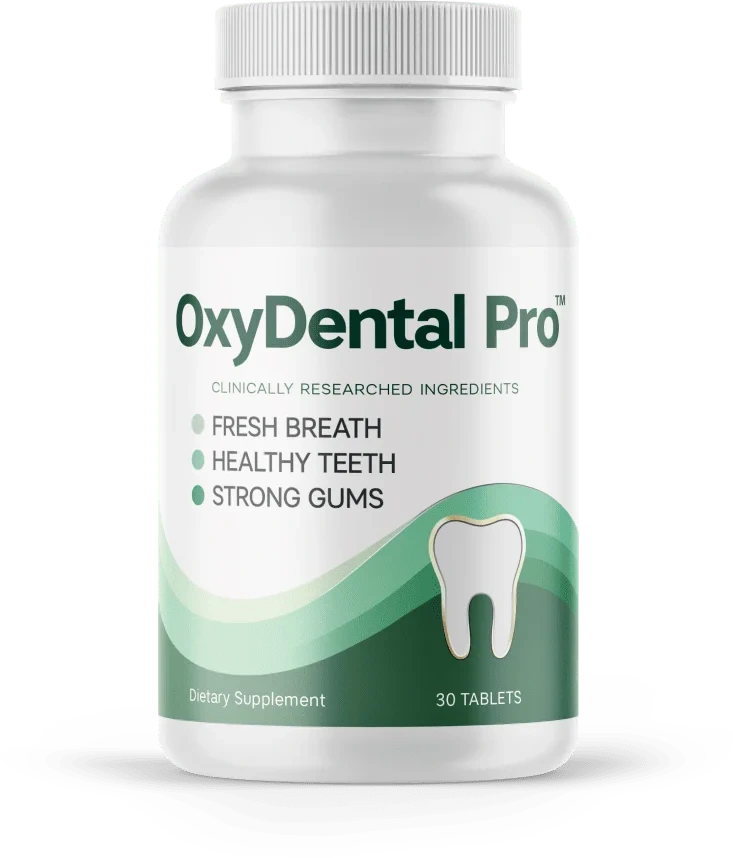
Chlorella sits in the botanical Dental Health Blend, adding chlorophyll and whole-food nutrients, while calcium supports enamel, iodine supports soft tissue, copper chlorophyllin freshens breath and chromium helps with sugar handling. Five actives, one daily tablet.
See the Full FormulaChlorella shares its 120 mg Dental Health Blend with two other trace-mineral ingredients, and the least familiar of them gets the same sceptical treatment in our guide to shilajit for teeth and gums.
Look for a specific species — usually Chlorella vulgaris or Chlorella pyrenoidosa — rather than a vague “algae blend”. In a formula, a stated total milligram amount for the blend it belongs to tells you what you are getting.
Because chlorella’s natural cell wall is hard to digest, quality products describe the algae as broken cell wall or cracked cell wall, which improves nutrient availability.
Because algae are grown in water, sourcing matters. Prefer chlorella from a manufacturer that tests for purity and contaminants and grows or sources it responsibly.
Chlorella shines in company. A formula that pairs it with a targeted freshener like copper chlorophyllin, plus trace minerals such as boron and enamel-supporting calcium, gives you whole-mouth coverage rather than a single green ingredient.
OxyDental Pro brings chlorophyll-rich chlorella together with copper chlorophyllin, calcium, iodine, chromium and boron in one daily tablet. The 6-bottle package is the best value with free U.S. shipping and three bonus guides, backed by a 60-day money-back guarantee.
 See OxyDental Packages
Chlorella is a nutrient-dense green algae rich in chlorophyll, vitamins and minerals. It is used to support fresh breath thanks to its chlorophyll content and to supply supporting nutrients for healthy soft tissue, rather than acting on the tooth surface directly.
Chlorella is one of the richest natural sources of chlorophyll, the green pigment long used as an internal deodoriser. Chlorophyll and its derivatives are traditionally used to help neutralise odour compounds from the inside rather than masking them, which is why chlorella appears in oral-health formulas.
They are related but not identical. Chlorella is the whole green algae, which naturally contains chlorophyll along with many other nutrients. Copper chlorophyllin is a purified, water-soluble derivative of chlorophyll. OxyDental Pro uses both, so the freshening chlorophyll story is covered from two angles.
Stand-alone chlorella supplements often use one to three grams per day, while in a multi-ingredient oral formula it appears in smaller supporting amounts. In OxyDental Pro, chlorella vulgaris is part of a 120 mg botanical Dental Health Blend with boron citrate and shilajit.
Look for a named species, usually Chlorella vulgaris or Chlorella pyrenoidosa, ideally described as broken cell wall or cracked cell wall for better digestibility, from a manufacturer that tests for purity. In a blend, a stated total milligram amount and clean, non-GMO sourcing are the key signs of quality.
Chlorella is generally well tolerated as a daily food supplement. Some people notice mild digestive changes when first starting, which usually settle. As always, check with your physician if you are pregnant, nursing, taking medication or have a health condition.
Sources for the claims above. Every PubMed link was checked against the NCBI record on 3 September 2026, so the title shown here is the title of the paper it opens.
Research into an ingredient is not evidence about any finished product. No clinical trial has been published on the OxyDental Pro formula, and none of the studies above tested it; the doses used in research are frequently different from the amounts on a supplement label.
The OxyDental Research Team is an independent group of writers and reviewers focused on oral-health nutrition and supplement science. We read the ingredient literature, cross-check dosing against public sources such as the NIH Office of Dietary Supplements, and explain the mechanisms in plain language.
Everything here is general educational information about ingredients and their traditional or researched uses. It is not medical advice, and it does not diagnose, treat, cure or prevent any disease. Talk to a dentist or physician about your own situation.
Keep exploring: read how copper chlorophyllin targets bad breath, learn about iodine for oral health, or return to the OxyDental Pro homepage.
† These statements have not been evaluated by the FDA. This product is not intended to diagnose, treat, cure or prevent any disease. This article is for general information only and is not medical advice.