
Disclosure: this is an independent guide, not the manufacturer’s website. Some links here are affiliate links and we may earn a commission at no extra cost to you. † These statements have not been evaluated by the Food and Drug Administration. This product is not intended to diagnose, treat, cure or prevent any disease, and nothing here is medical or dental advice — bleeding gums, persistent pain, a loose tooth or a mouth sore that has not healed in two weeks need a dentist.
| What it is | A natural sugar alcohol that looks and tastes like sugar but behaves very differently in the mouth. |
| Why for teeth | Cavity bacteria cannot ferment it into acid, so it helps starve them and keep the mouth less acidic. |
| Dosing context | Dental research points to ~5–10 g/day across a few exposures; supplements use smaller sweetening amounts. |
| Label tip | Look for “xylitol” by name and no added sugar in the same product. Keep away from dogs. |
Sugar is the fuel that cavity-causing bacteria live on. So the most interesting ingredient in oral care may be a sweetener that tastes like sugar but that those same bacteria simply cannot use. That is xylitol — and the xylitol benefits for teeth come down to one elegant trick: it feeds you without feeding the bugs. This guide explains what xylitol is, the exact mechanism behind its anti-cavity reputation, how much research suggests you need, and how to read a label so a “tooth-friendly” claim actually means something.
Xylitol is one of the actives that makes OxyDental Pro pleasant to take and tooth-friendly at the same time. If you are building a picture of the whole formula, it pairs naturally with our guide to copper chlorophyllin for fresher breath and the broader look at keeping teeth and gums strong with minerals.
Xylitol is a sugar alcohol (or polyol) — a naturally occurring carbohydrate found in small amounts in many fruits, vegetables and hardwoods like birch, and produced in tiny quantities by the human body itself. Commercially it is usually made from plant fibres such as birch or corn cobs. It has about the same sweetness as table sugar but roughly 40% fewer calories, and it does not cause the sharp blood-sugar spike that regular sugar does.
Despite the word “alcohol” in its chemical class, it contains no ethanol and will not make you tipsy. The name simply refers to its molecular structure. For our purposes, the important thing is how the mouth — and the bacteria in it — respond to it.
To understand xylitol, you first have to understand how a cavity starts. When you eat fermentable sugars and starches, oral bacteria — especially Streptococcus mutans — break them down and release acid as a by-product. That acid lowers the pH at the tooth surface and pulls minerals out of the enamel, a process called demineralisation. Do this often enough, and the enamel loses more minerals than it can replace, and a cavity forms.
Here is the key: S. mutans can take xylitol up into the cell, but it lacks the enzymes to turn it into energy. The bacteria essentially swallow a molecule they cannot digest. This produces little to no acid, so eating xylitol in place of sugar removes one of the main triggers for enamel-eroding acid.
Because the bacteria keep taking xylitol in and pumping it back out without getting energy, researchers describe it as a “futile cycle” that drains the bacteria's resources. Over time and repeated exposure, studies suggest this can reduce the amount and stickiness of the plaque that forms, making it easier to keep teeth clean.
Xylitol's sweetness stimulates saliva, and saliva is your mouth's natural defence system — it buffers acid, washes away debris, and carries the calcium and phosphate that help enamel re-mineralise. By keeping the mouth less acidic and better hydrated with saliva, xylitol supports the conditions in which enamel can recover between meals.
Xylitol has the deepest evidence base of any ingredient covered on this site, and it is also the one where the reviews are most openly cautious. A 2025 systematic review in BMC Oral Health examined the specific effects of xylitol chewing gum on mutans streptococci levels, plaque accumulation and caries occurrence (PMID 40731400). A 2024 systematic review in the Journal of Clinical and Experimental Dentistry asked directly whether xylitol is effective in the prevention of dental caries (PMID 39544205). And a 2026 systematic review in Special Care in Dentistry assessed the beneficial effects of xylitol chewing gum and candies on oral health in older people and people with disabilities (PMID 42427341).
Two qualifications keep this honest. Almost all of that research tested xylitol as gum or lozenges held in the mouth, where it contacts plaque directly and drives saliva flow — and much of the benefit is attributed to the chewing as well as the xylitol. And the doses studied are typically several grams a day, spread across multiple exposures, which is a different proposition from a trace amount in a swallowed tablet. Xylitol is also toxic to dogs, so keep any xylitol product well away from pets.
Xylitol is one of the better-studied ingredients in this space. It appears in dental guidance around the world as a sugar substitute that does not contribute to tooth decay, which is why you see it in so many sugar-free gums, mints and lozenges. Reviews of the evidence generally agree that replacing dietary sugars with xylitol is favourable for oral health, while noting that the size of the benefit depends heavily on how often and how much you use it.
As always, context matters. Xylitol is a helper, not a substitute for brushing with fluoride toothpaste, flossing and seeing a dentist. It works best as one part of a consistent routine — a way to make the everyday moments (a mint, a daily tablet, a piece of gum) work with your teeth instead of against them.
There is no essential requirement for xylitol — you do not need it to live — so amounts come from dental research rather than a daily value:
In a multi-ingredient supplement, xylitol usually plays a dual role: it is a tooth-friendly sweetener that makes a daily tablet pleasant to take, and it adds its own oral-support properties. That is exactly how it appears in OxyDental Pro — supporting the formula and the flavour without introducing sugar that would work against the calcium, copper chlorophyllin and chromium doing the heavier lifting.
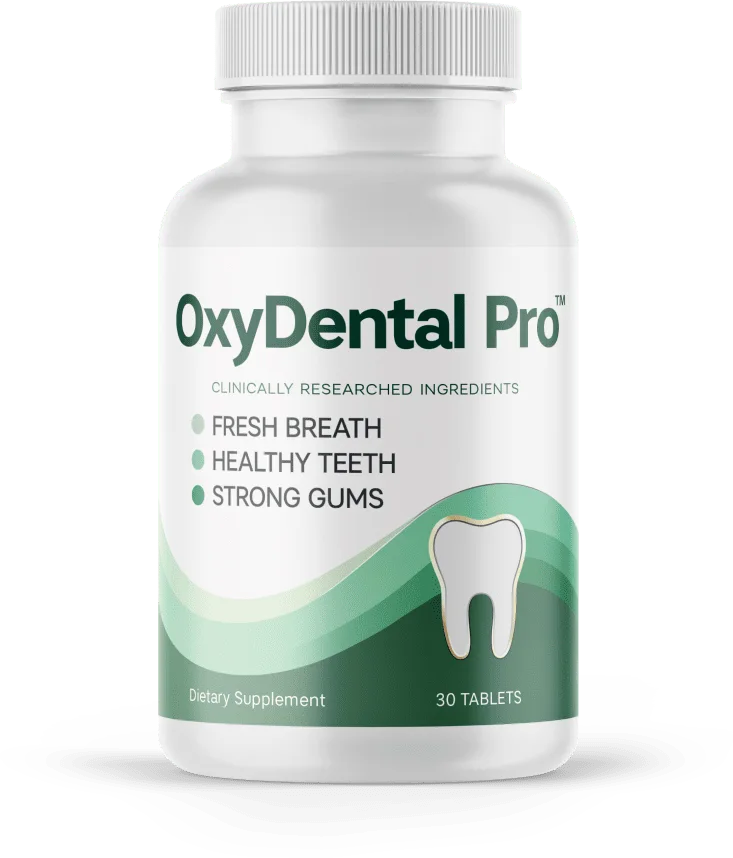
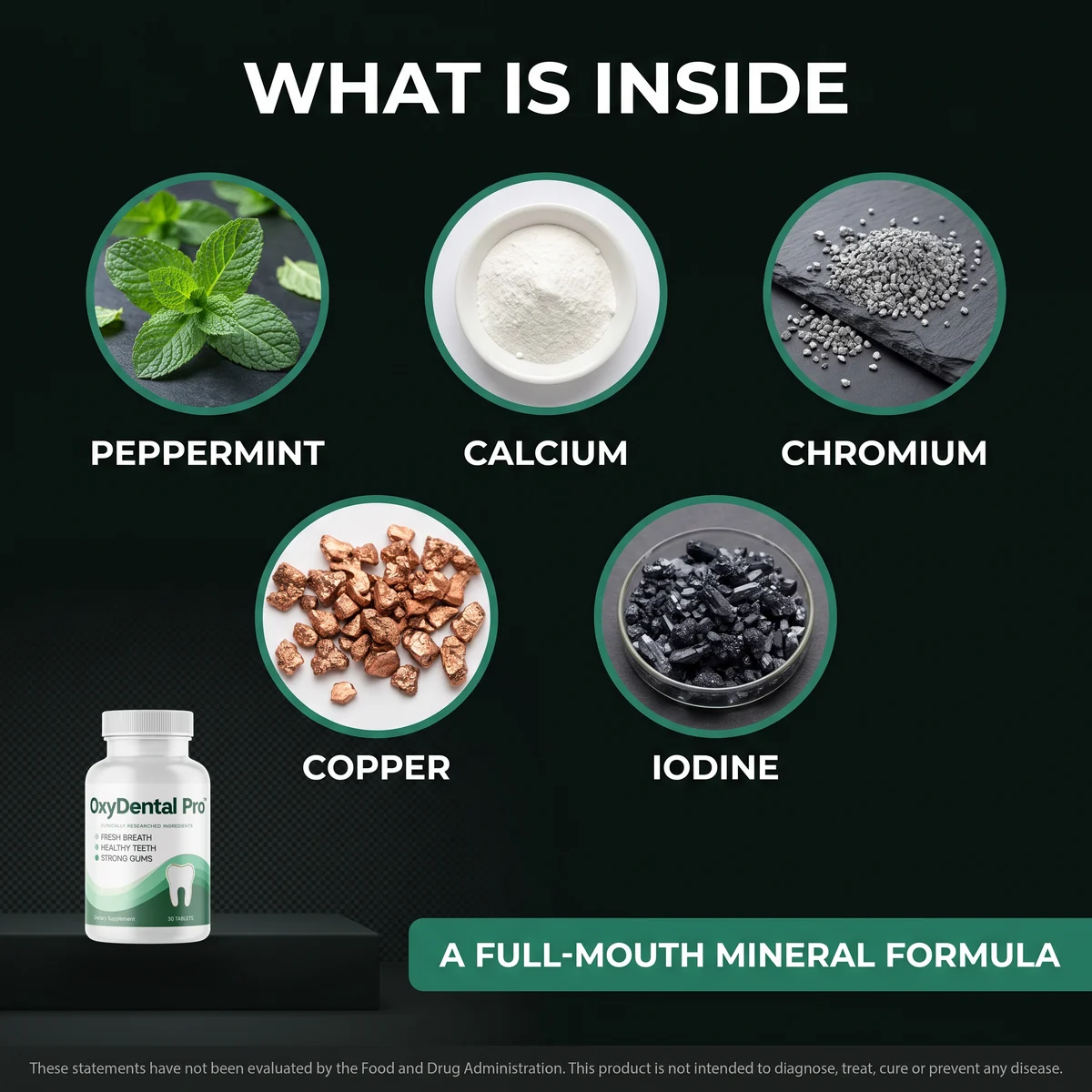
OxyDental Pro is sweetened with xylitol rather than sugar, so the daily tablet tastes good and stays tooth-friendly. Around it sit calcium for enamel, copper chlorophyllin for breath, chromium for sugar handling and a botanical blend — five actives, one tablet a day.
Explore the FormulaXylitol is rarely the only sweetener in a tooth-friendly product, and the one it is usually paired with works by a completely different route — we compare them in is stevia good for your teeth.
A trustworthy label lists xylitol specifically, not just “natural sweetener” or “sugar alcohols.” If a product is proud of using xylitol, it will say so.
This sounds obvious, but check: a product that touts xylitol while also including sucrose, glucose syrup or other fermentable sugars undermines the whole benefit. The point of xylitol is to replace sugar, not sit next to it.
For teeth, xylitol works best alongside minerals that support enamel and a fresh-breath ingredient. A formula that combines it with enamel-supporting calcium and copper chlorophyllin does more of the full job than xylitol alone.
Any xylitol-containing product should be stored away from dogs. Xylitol is safe for people but highly toxic to dogs, so this is a household-safety habit worth keeping.
OxyDental Pro brings xylitol together with calcium, iodine, copper chlorophyllin, chromium and a botanical blend in one daily tablet. The 6-bottle package is the best value, ships free and includes three free bonus guides, all backed by a 60-day money-back guarantee.
 See OxyDental Packages
Xylitol is a natural sugar alcohol that cavity-causing bacteria cannot ferment into acid. Using it in place of sugar helps starve those bacteria, supports a less acidic mouth, and encourages saliva flow, all of which help protect enamel over time.
The bacterium most associated with decay, Streptococcus mutans, takes up xylitol but cannot metabolise it for energy. This wastes the bacteria's resources and reduces the acid they produce, so less acid reaches the enamel between meals.
Dental research generally points to roughly 5 to 10 grams of xylitol per day, spread across a few exposures, for oral benefits. In a supplement, xylitol is often used in a smaller amount as a tooth-friendly sweetener that also supports the formula.
Xylitol is recognised as safe for human use and is found in many gums, mints and foods. Very large amounts can cause a temporary laxative effect in some people. Important: xylitol is toxic to dogs, so keep any xylitol products away from pets.
Look for xylitol listed by name rather than a vague 'natural sweetener', and ideally as part of a formula that also supports enamel and fresh breath. Avoid products that pair it with added sugars, which defeats the purpose.
No. Xylitol is a helpful addition to a routine, not a replacement for it. Brushing with fluoride toothpaste, flossing and regular dental visits remain the foundation of oral care.
Sources for the claims above. Every PubMed link was checked against the NCBI record on 3 September 2026, so the title shown here is the title of the paper it opens.
Research into an ingredient is not evidence about any finished product. No clinical trial has been published on the OxyDental Pro formula, and none of the studies above tested it; the doses used in research are frequently different from the amounts on a supplement label.
The OxyDental Research Team is an independent group of writers and reviewers focused on oral-health nutrition and supplement science. We read the ingredient literature, cross-check dosing against public sources such as the American Dental Association and peer-reviewed reviews, and explain it in plain language.
Everything here is general educational information about ingredients and their traditional or researched uses. It is not medical advice, and it does not diagnose, treat, cure or prevent any disease. Talk to a dentist or physician about your own situation.
Keep reading: learn how chromium supports the way your body handles sugar, why copper chlorophyllin targets breath at the source, or head back to the OxyDental Pro homepage.
† These statements have not been evaluated by the FDA. This product is not intended to diagnose, treat, cure or prevent any disease. This article is for general information only and is not medical advice.