
Disclosure: this is an independent guide, not the manufacturer’s website. Some links here are affiliate links and we may earn a commission at no extra cost to you. † These statements have not been evaluated by the Food and Drug Administration. This product is not intended to diagnose, treat, cure or prevent any disease, and nothing here is medical or dental advice — bleeding gums, persistent pain, a loose tooth or a mouth sore that has not healed in two weeks need a dentist.
| Short answer | Yes, stevia is tooth-friendly. Decay bacteria cannot ferment it into enamel-eroding acid. |
| What it is | A zero-calorie sweetener from the stevia leaf; the purified sweet part is rebaudioside. |
| vs sugar | Sugar feeds acid-producing bacteria; stevia is non-cariogenic — it does not. |
| Label tip | Look for rebaudioside A / steviol glycosides and no added fermentable sugar. |
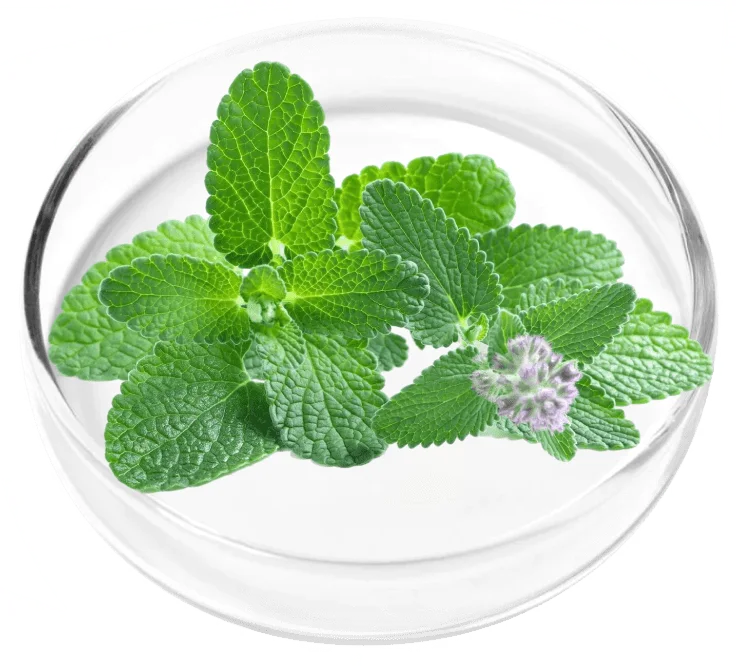
If you have ever wondered whether the sweeteners in your food and supplements are helping or hurting your smile, stevia is one worth understanding. The short answer to is stevia good for your teeth is encouraging: unlike sugar, stevia is a non-nutritive sweetener that the bacteria behind tooth decay simply cannot ferment into acid. That single fact is why stevia — used in its purified rebaudioside form — shows up in tooth-friendly products and supplements. This guide explains what stevia is, the mechanism behind its tooth-friendly reputation, how it compares to sugar and to xylitol, and what to look for on a label.
A closely related sweetener appears in OxyDental Pro: its label lists Rebaudioside M from Saccharum officinarum extract — the same steviol glycoside molecule, but produced from sugarcane rather than harvested from stevia leaf, which is a distinction worth getting right and one we return to below. It is the natural companion read to our guide on xylitol benefits for teeth and our deep dive on chromium and the blood-sugar connection.
Stevia is a natural sweetener that comes from the leaves of the Stevia rebaudiana plant, native to South America, where the leaf has been used to sweeten drinks for generations. Its intense sweetness comes from a family of compounds called steviol glycosides — and the star of that family, prized for the cleanest taste, is rebaudioside (often written Reb A or rebaudioside A).
What makes stevia stand out is that it is non-nutritive: it delivers sweetness with essentially no calories and no fermentable carbohydrate. That last point is the whole story for your teeth, as we will see. In modern products, stevia is typically supplied as purified rebaudioside rather than raw leaf, so a small amount provides a lot of clean sweetness.
To understand why stevia is tooth-friendly, you have to understand how sugar harms teeth in the first place.
Tooth decay is driven by bacteria in dental plaque — chiefly a group led by Streptococcus mutans — that feed on fermentable sugars. When you eat sugar, these bacteria ferment it and produce acid as a by-product. That acid lowers the pH at the tooth surface and pulls minerals out of enamel, a process called demineralisation. Repeated often enough, it is what leads to cavities.
Here is the key: decay bacteria cannot ferment steviol glycosides. Stevia is not a sugar, so it does not give S. mutans the fuel it needs to make acid. A sweetener the bacteria cannot eat produces no acid attack — which is exactly what “non-cariogenic” means. By swapping sugar for stevia, you keep the sweetness and remove the fuel for decay.
Because there is no fermentation, there is no sharp drop in mouth pH after a stevia-sweetened product. Keeping the mouth closer to a neutral pH more of the time gives saliva a better chance to do its natural job of buffering acids and carrying minerals back to the enamel surface. It is a quietly protective effect: not doing harm is itself valuable.
It helps to see the three side by side, because they behave very differently in the mouth.
So which is better, stevia or xylitol? They are teammates, not rivals. Stevia brings clean, calorie-free sweetness that bacteria ignore; xylitol adds a bulk-sweetening, actively bacteria-unfriendly effect. Using both — as OxyDental Pro does, pairing xylitol with Rebaudioside M — is a sensible way to sweeten a daily tablet while keeping it firmly tooth-friendly. For the full picture on the sugar alcohol, see our xylitol benefits for teeth guide.
Stevia’s tooth-friendliness rests on a simple, testable claim: decay bacteria cannot ferment steviol glycosides into acid. The laboratory work supports it and goes a little further. A 2023 study in Dentistry Journal reported that the sugar substitute stevia inhibited biofilm formation and exopolysaccharide production and downregulated streptococcal genes involved in exopolysaccharide synthesis (PMID 38132405). A 2025 Cureus paper compared the cariogenic potential of stevia and aspartame using bacterial inhibition and pH reduction (PMID 41589156). And a 2023 in-vivo study in the International Journal of Clinical Pediatric Dentistry compared changes in salivary pH and Streptococcus mutans counts across natural sugar substitutes (PMID 38162249).
The honest reading is that stevia is a non-cariogenic sweetener — it does not feed the bacteria behind decay, and there is early laboratory evidence that it may discourage biofilm. It is not a treatment for decay, and swapping to it does not undo a diet or a routine. Sugar-free is a floor, not a cure.
Stevia’s steviol glycosides are approved for use as sweeteners by regulators including the U.S. FDA, which has recognised high-purity steviol glycosides as generally safe for use in food. On the dental side, laboratory and review evidence supports the point that stevia is non-cariogenic — it is not fermented into acid by oral bacteria — and some research has explored whether stevia may even discourage plaque bacteria, though that is a developing area.
The compliant, honest framing is this: stevia is a tooth-friendly sweetener because it does not feed decay, and swapping it in for sugar removes a known driver of enamel erosion. It is not a treatment for any dental condition, and no sweetener replaces brushing, flossing and regular dental care.
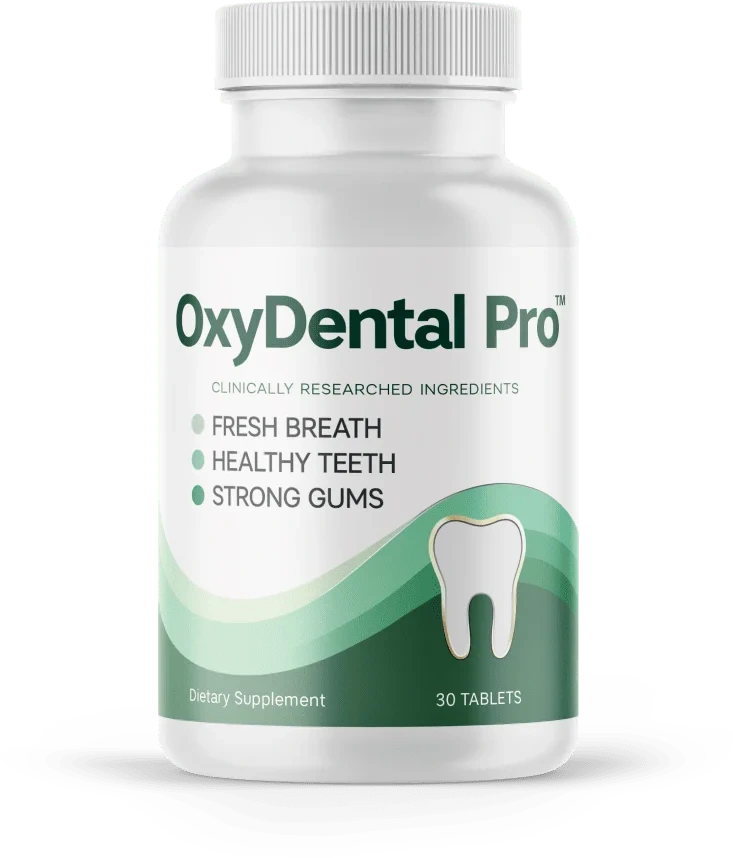
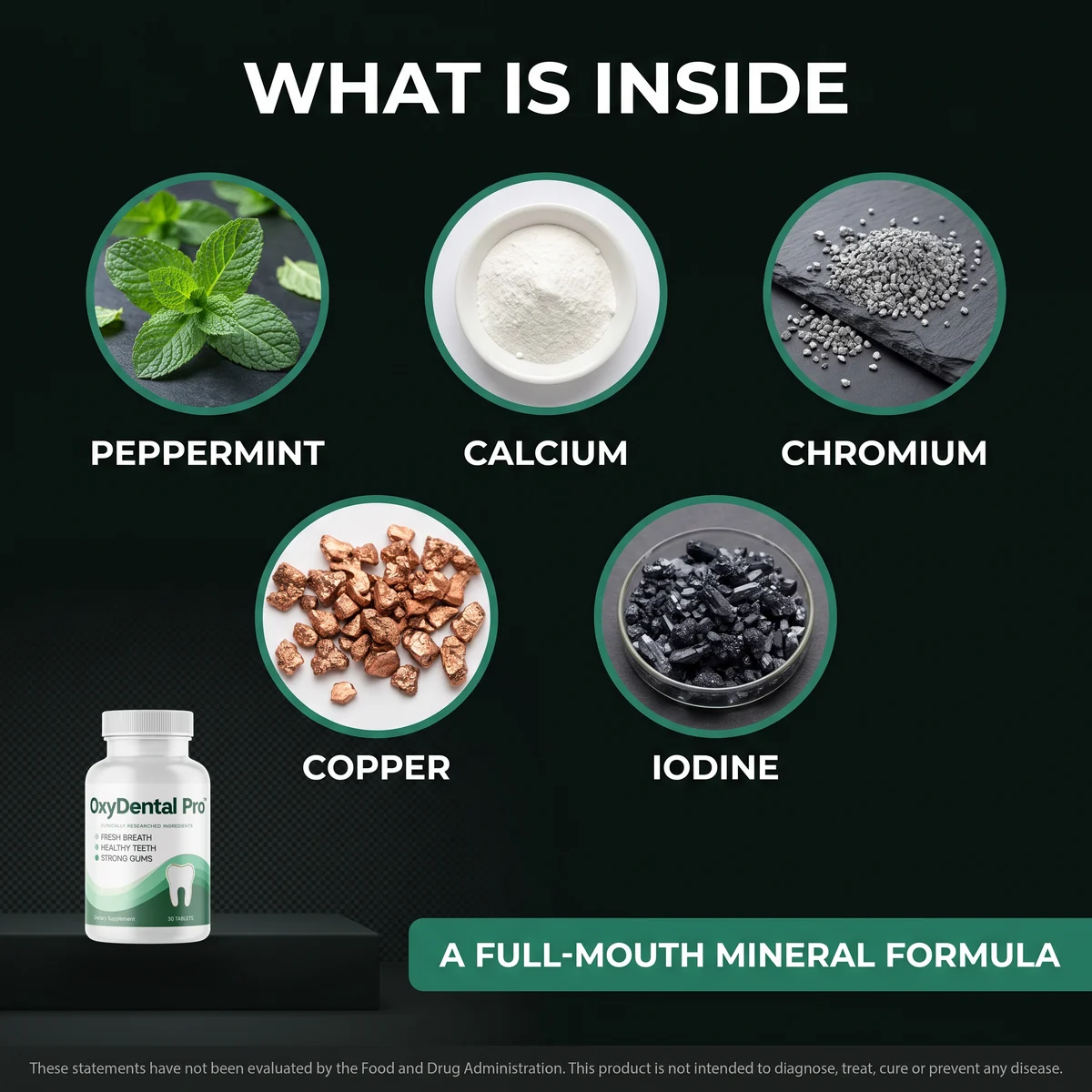
Read the label rather than the marketing: OxyDental Pro is sweetened with xylitol plus Rebaudioside M from Saccharum officinarum extract. Reb M is a steviol glycoside — the same class of molecule as the Reb A in a stevia packet — but this one is made from sugarcane by bioconversion, so calling the tablet “stevia-sweetened” would overstate what the panel says. What matters for teeth is unchanged: neither xylitol nor a steviol glycoside is fermented into acid by decay bacteria. Calcium supports the mineral side, copper chlorophyllin and peppermint handle breath, and chromium plus the botanical blend round out the formula.
See the Full FormulaLook for the specific compound — rebaudioside A, rebaudioside M or steviol glycosides — rather than a vague “natural sweetener” blend, and check what it is made from. Reb A is normally extracted from stevia leaf; Reb M is increasingly produced by bioconversion from sugarcane, which is why a panel may name Saccharum officinarum beside a sweetener people think of as stevia. Both are non-cariogenic; only one of them came off a stevia plant.
The tooth-friendly benefit disappears if a product sweetens with stevia and then adds sugar, glucose syrup or another fermentable carbohydrate too. Scan the full ingredient list, not just the front-of-pack claim.
In a supplement, stevia paired with xylitol is a strong sign of thoughtful, tooth-friendly sweetening. Better still if it sits inside a formula that also supports enamel with calcium and freshens breath naturally.
As always, prefer products made in an FDA-registered, GMP-certified facility from non-GMO ingredients, with transparent labelling and no unnecessary fillers.
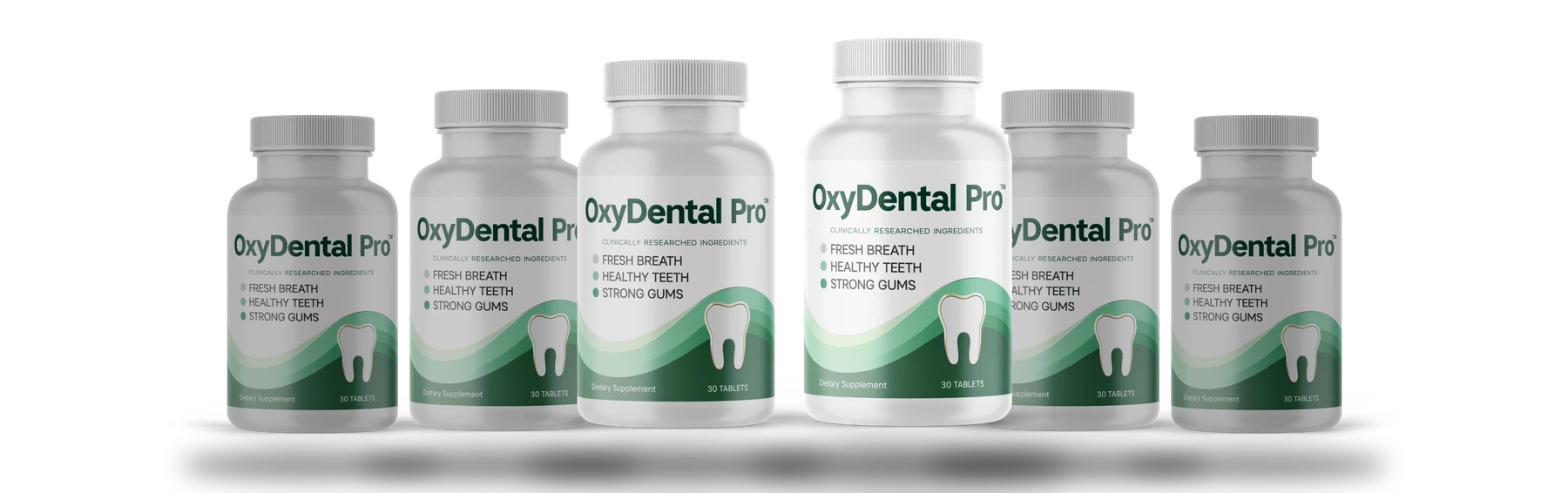
OxyDental Pro uses xylitol and Rebaudioside M instead of sugar, alongside calcium, iodine, copper chlorophyllin, chromium and a botanical blend, in one daily tablet. The 6-bottle package is the best value with free U.S. shipping and three bonus guides, backed by a 60-day money-back guarantee.
 See OxyDental Packages
Stevia is considered tooth-friendly because it is a non-nutritive sweetener that the bacteria behind tooth decay cannot ferment into the acids that erode enamel. It is non-cariogenic, meaning it does not feed decay the way sugar does, which is why it is used to sweeten oral-care products and supplements without the sugar downside.
Rebaudioside, often written Reb A or rebaudioside A, is one of the sweet compounds, called steviol glycosides, extracted from the leaf of the stevia plant. Reb A is the purified, best-tasting glycoside from the leaf; Rebaudioside M, or Reb M, is a rarer glycoside that is now more often produced by bioconversion from sugarcane, and it is the one named on the OxyDental Pro label.
Stevia is non-cariogenic, meaning oral bacteria cannot ferment it into enamel-eroding acid, so on its own it does not cause cavities. What matters is the whole product: a stevia-sweetened item with no fermentable sugar behaves very differently in the mouth from a sugary one.
Both are tooth-friendly, but they work differently. Stevia is a non-nutritive, calorie-free sweetener that simply does not feed decay bacteria. Xylitol is a sugar alcohol that not only resists fermentation but is also studied for actively discouraging the bacteria behind cavities. Many formulas use a steviol glycoside and xylitol together.
Look for stevia listed by its specific compound, such as rebaudioside A or steviol glycosides, rather than a vague sweetener blend, and check that no fermentable sugar has been added alongside it. In supplements, a clean formula using stevia with xylitol is a good sign of tooth-friendly sweetening.
High-purity steviol glycosides are recognised by regulators including the FDA as generally safe for use as a sweetener in food, and stevia is widely consumed daily. As with any ingredient, moderation and a balanced diet are sensible, and you can check with your physician about your own situation.
Sources for the claims above. Every PubMed link was checked against the NCBI record on 3 September 2026, so the title shown here is the title of the paper it opens.
Research into an ingredient is not evidence about any finished product. No clinical trial has been published on the OxyDental Pro formula, and none of the studies above tested it; the doses used in research are frequently different from the amounts on a supplement label.
The OxyDental Research Team is an independent group of writers and reviewers focused on oral-health nutrition and supplement science. We read the ingredient literature, cross-check facts against public sources such as the FDA and NIH, and explain the mechanisms in plain language.
Everything here is general educational information about ingredients and their traditional or researched uses. It is not medical advice, and it does not diagnose, treat, cure or prevent any disease. Talk to a dentist or physician about your own situation.
Keep exploring: read our full guide to xylitol benefits for teeth, learn how chromium supports blood-sugar handling, or return to the OxyDental Pro homepage.
† These statements have not been evaluated by the FDA. This product is not intended to diagnose, treat, cure or prevent any disease. This article is for general information only and is not medical advice.