
Disclosure: this is an independent guide, not the manufacturer’s website. Some links here are affiliate links and we may earn a commission at no extra cost to you. † These statements have not been evaluated by the Food and Drug Administration. This product is not intended to diagnose, treat, cure or prevent any disease, and nothing here is medical or dental advice — bleeding gums, persistent pain, a loose tooth or a mouth sore that has not healed in two weeks need a dentist.
| What it is | An essential trace mineral the body needs to make thyroid hormones. |
| Why for the mouth | It supports healthy gum tissue and normal saliva flow through the thyroid, which sets the pace of tissue renewal. |
| Dosing context | RDA ~150 mcg/day for adults; upper limit ~1,100 mcg/day. OxyDental Pro supplies 50 mcg (33% DV). |
| Label tip | Look for a named form — potassium iodide — with a stated microgram amount and % Daily Value. |
When people list the nutrients that matter for a healthy mouth, they usually stop at calcium. Yet the mouth is a living environment, and the tissues in it — gums, cheek lining, tongue and salivary glands — renew themselves constantly. That renewal is paced by the thyroid, and the thyroid cannot run without iodine. That is why iodine for oral health deserves a place in the conversation: it is a small, essential trace mineral with an outsized, behind-the-scenes role. This guide explains what iodine is, the mechanism that connects it to your teeth and gums, how much you actually need, and how to read a label so you get a sensible, well-formed amount.
Iodine is one of the five actives in OxyDental Pro, supplied as potassium iodide, so we will show exactly where it fits in a whole-mouth formula. If you are building a mineral-first routine, this pairs naturally with our overview of keeping teeth and gums strong with minerals and our guide to chromium and the blood-sugar connection.
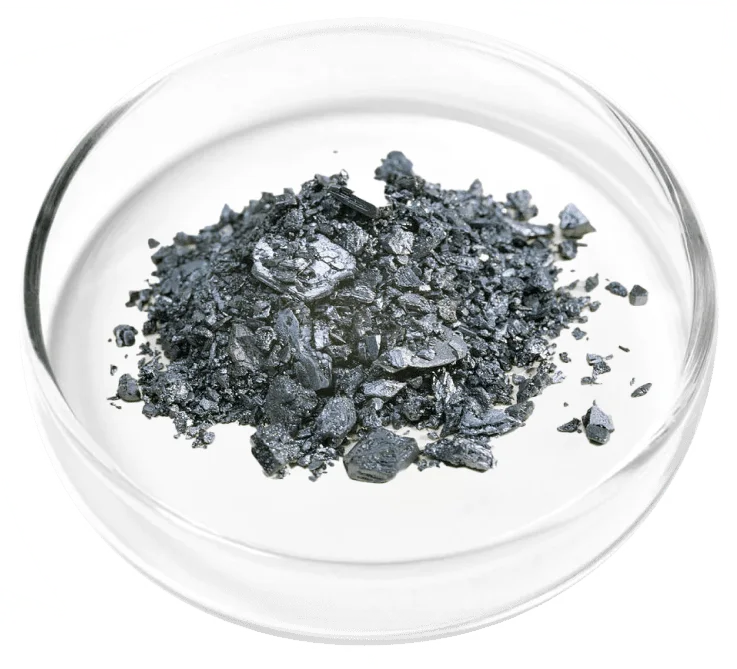
Iodine is a trace mineral that the body cannot make on its own, which is what makes it “essential” — you have to get it from food or a supplement. It is found in seafood, seaweed, dairy and eggs, and, famously, in iodised table salt, a public-health measure introduced almost a century ago precisely because iodine was so commonly lacking in ordinary diets.
The body holds only a small amount of iodine at any one time, most of it concentrated in the thyroid gland in the neck. Because modern diets have moved away from iodised salt and, for many people, away from seafood and dairy too, iodine intake is not guaranteed the way it once was. It is exactly the kind of quiet, essential nutrient that a well-rounded daily formula is designed to help cover.
Iodine does not build enamel and it does not sit on the tooth surface. Its role is upstream, working through the thyroid and the tissues the thyroid governs. Here is the chain of events in plain language.
The thyroid uses iodine as a raw material to produce the hormones (thyroxine and triiodothyronine) that set your metabolic pace. Every cell in the body responds to those hormones, including the cells that line your gums and make up your salivary glands. Without enough iodine, that whole system runs sluggishly.
Gum tissue is not static — it is constantly shed and rebuilt, much like skin. Thyroid hormones help govern how efficiently that renewal happens. Healthy thyroid function, supported by adequate iodine, helps the soft tissues of the mouth maintain and repair themselves at a normal, healthy rate.
Interestingly, the salivary glands are among the tissues in the body that actively concentrate iodine, second only to the thyroid. Saliva is one of the mouth’s most important natural defences: it washes away food debris, buffers acids and carries the minerals that keep enamel topped up. A body with adequate iodine and normal saliva flow has a better-defended mouth than one running short.
This is the section where iodine articles usually go wrong, so let us be exact. Iodine has a substantial dental literature, and almost all of it concerns povidone-iodine — a topical antiseptic that a clinician irrigates below the gum line during periodontal treatment. A 2026 retrospective cohort study in Acta Stomatologica Croatica found adjunctive povidone-iodine improved bleeding outcomes in step 2 of periodontal therapy (PMID 41971967); a 2026 Cureus paper measured povidone-iodine antimicrobial activity in vitro against periodontal bacterial pathogens (PMID 41664751); and a 2026 systematic review and meta-analysis in Clinical Oral Investigations assessed subgingival irrigation with chemical agents as adjuvants to non-surgical periodontal therapy (PMID 42126682).
None of that is evidence about swallowing 50 mcg of potassium iodide. A topical antiseptic applied to an infected pocket by a dentist and a dietary trace mineral are different interventions with different mechanisms, and running them together would be the kind of sleight of hand this site exists to avoid. What dietary iodine genuinely does is support thyroid hormone production, which is why the NIH Office of Dietary Supplements iodine fact sheet publishes both a Recommended Dietary Allowance and a 1,100 mcg adult upper limit. It is also why anyone with a thyroid condition, or taking thyroid medication, should talk to their doctor before adding iodine from any source.
Iodine’s status as an essential nutrient is not in doubt — it is one of the best-established facts in nutrition science, and the case for adequate iodine intake in the general population is well documented by bodies such as the NIH Office of Dietary Supplements and the World Health Organization. Where the picture is more nuanced is the direct, isolated study of iodine on gum or enamel outcomes, which is limited; most of the benefit to the mouth is indirect, flowing through the thyroid and through healthy soft tissue and saliva.
The compliant, sensible framing is this: iodine is an essential supporting nutrient, not a treatment. Getting an adequate, sensible amount is part of overall good nutrition that keeps the whole body — mouth included — working normally. It is not a stand-alone fix for any dental or thyroid condition, and it does not replace the care of a dentist or doctor.
Unlike boron, iodine has a clear, official recommended intake, and the numbers are worth knowing:
OxyDental Pro supplies 50 mcg of iodine as potassium iodide, about 33% of the Daily Value — a supportive top-up that helps close a common dietary gap while leaving plenty of headroom below the upper limit. That is the intelligent way to use an essential trace mineral: a measured amount, in good company, doing a specific supporting job rather than flooding the system.
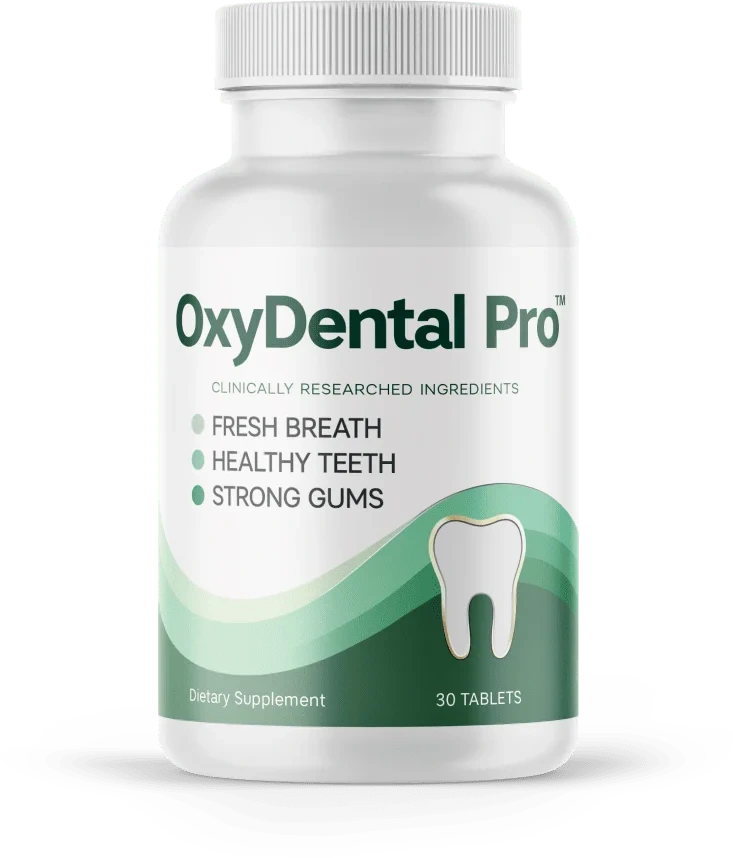
Iodine sits alongside calcium for enamel, copper chlorophyllin for fresh breath, chromium for sugar handling and a botanical Dental Health Blend. Five actives, one daily tablet — each one covering a different part of a healthy mouth.
See the Full FormulaLook for a specific, well-studied form such as potassium iodide (or potassium iodate), with a stated microgram amount and a % Daily Value. Vague “kelp blend” entries with no numbers can vary wildly in iodine content batch to batch, which is exactly what you do not want with a nutrient this sensitive to dose.
An amount in the tens-to-low-hundreds of micrograms is the norm for a daily supplement. Be cautious with products advertising very high iodine numbers (into the many thousands of micrograms) unless a clinician has specifically advised it — more is not better here.
Iodine works best as part of a balanced formula rather than in isolation. A product that pairs it with enamel-supporting calcium and other trace minerals such as boron gives you whole-mouth coverage instead of a single-nutrient spike.
As always, prefer products made in an FDA-registered, GMP-certified facility from non-GMO ingredients, with transparent labelling and no unnecessary fillers.
OxyDental Pro brings iodine together with calcium, copper chlorophyllin, chromium and a botanical blend in one daily tablet. The 6-bottle package is the best value with free U.S. shipping and three bonus guides, backed by a 60-day money-back guarantee.
 See OxyDental Packages
Iodine is an essential trace mineral the body needs to make thyroid hormones, which set the pace of tissue repair and metabolism throughout the body, including the gums and the glands that make saliva. Iodine supports the healthy tissues and normal saliva flow that keep the mouth resilient rather than acting on the tooth surface directly.
The thyroid uses iodine to make hormones that regulate how quickly cells renew. Because gum tissue and salivary glands are living, constantly renewing tissues, adequate iodine and a well-functioning thyroid help the mouth maintain and repair itself normally.
The recommended dietary allowance for most adults is about 150 micrograms of iodine per day, with higher needs in pregnancy and breastfeeding. A tolerable upper intake level of about 1,100 micrograms per day for adults is recognised, so sensible supplement amounts sit well below it.
Potassium iodide is one of the most common and well-studied supplemental forms of iodine. It is the form used in iodised salt and in many multivitamins, and it is the form in OxyDental Pro, which supplies 50 micrograms of iodine as potassium iodide, about 33 percent of the daily value.
Yes. Both too little and too much iodine can affect thyroid function, so more is not better. Stay within sensible supplement amounts, keep total intake below the recognised upper limit, and talk to your doctor before supplementing if you have a thyroid condition, are pregnant or are nursing.
OxyDental Pro supplies 50 mcg (33% DV) as a supportive daily top-up, designed to sit alongside a normal diet rather than replace it. Food remains your foundation; the supplement helps cover a common gap while staying comfortably within safe limits.
Sources for the claims above. Every PubMed link was checked against the NCBI record on 3 September 2026, so the title shown here is the title of the paper it opens.
Research into an ingredient is not evidence about any finished product. No clinical trial has been published on the OxyDental Pro formula, and none of the studies above tested it; the doses used in research are frequently different from the amounts on a supplement label.
The OxyDental Research Team is an independent group of writers and reviewers focused on oral-health nutrition and supplement science. We read the ingredient literature, cross-check dosing against public sources such as the NIH Office of Dietary Supplements, and explain the mechanisms in plain language.
Everything here is general educational information about ingredients and their traditional or researched uses. It is not medical advice, and it does not diagnose, treat, cure or prevent any disease. Talk to a dentist or physician about your own situation, especially before supplementing iodine if you have a thyroid condition.
Keep exploring: learn how minerals keep teeth and gums strong, read the comparison of calcium vs hydroxyapatite for enamel, or return to the OxyDental Pro homepage.
† These statements have not been evaluated by the FDA. This product is not intended to diagnose, treat, cure or prevent any disease. This article is for general information only and is not medical advice.