
Disclosure: this is an independent guide, not the manufacturer’s website. Some links here are affiliate links and we may earn a commission at no extra cost to you. † These statements have not been evaluated by the Food and Drug Administration. This product is not intended to diagnose, treat, cure or prevent any disease, and nothing here is medical or dental advice — bleeding gums, persistent pain, a loose tooth or a mouth sore that has not healed in two weeks need a dentist.
| What it is | A stable, water-soluble form of chlorophyll with copper and sodium built in. |
| Why for breath | Traditionally used to neutralise odour compounds from the inside, not mask them. |
| Dosing context | Older deodoriser products used ~100–300 mg/day; modern oral formulas use smaller copper-standardised amounts. |
| Label tip | Look for “sodium copper chlorophyllin” plus a stated milligram of copper. |
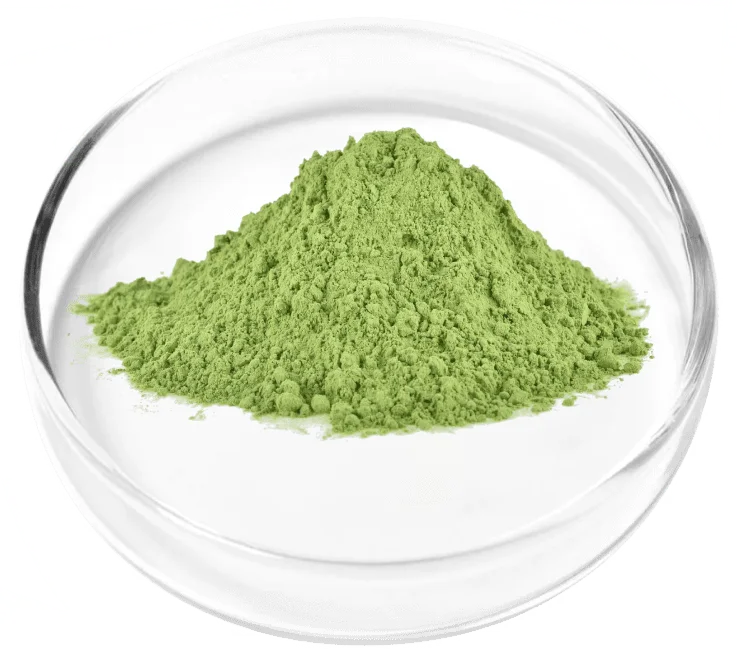
If you have ever chewed mint after mint and still felt self-conscious an hour later, you already know the limit of masking bad breath. Mints and rinses cover odour for a few minutes, then wear off, because they never touch the compounds that create the smell in the first place. Copper chlorophyllin for bad breath takes a different route: instead of hiding odour, it is traditionally used to help neutralise it from the inside. This guide explains what copper chlorophyllin actually is, the mechanism behind its long-standing use as an “internal deodoriser,” how much appears in typical products, and how to read a label so you know you are getting the real thing.
Copper chlorophyllin is one of the five actives inside OxyDental Pro, so we will also look at how it fits alongside minerals like calcium and chromium in a once-daily formula. If you want the wider picture first, our overview of how to keep teeth and gums strong with minerals is a good companion read.
Chlorophyll is the pigment that makes plants green and lets them turn sunlight into energy. In its natural state, each chlorophyll molecule is built around a central magnesium atom. Raw chlorophyll, though, is fragile, fat-soluble and poorly absorbed, which makes it impractical to put in a shelf-stable supplement.
Copper chlorophyllin is the fix. It is a semi-synthetic derivative of chlorophyll in which the central magnesium is swapped for copper, and sodium salts are added to make it water-soluble. The result — usually listed on labels as sodium copper chlorophyllin — is far more stable, dissolves in water, and is much better absorbed by the body. It has been used since the mid-twentieth century in wound-care products, in supplements marketed for body and breath odour, and as a natural food colouring (you may have seen it as the colour additive E141).
The key point for our topic: the copper matters. It is not filler. The copper-and-sodium version is the form that research and traditional use actually point to, which is why a careful label lists the copper content explicitly.
Most bad breath (halitosis) comes down to chemistry. Bacteria that live on the tongue, between teeth and around the gumline break down proteins and release volatile sulphur compounds (VSCs) — hydrogen sulphide, methyl mercaptan and dimethyl sulphide. These are the same molecules that give rotten eggs and old cabbage their smell, and even tiny amounts are enough for other people to notice. A mint does nothing to these compounds; it simply adds a stronger smell on top for a little while.
Copper chlorophyllin's traditional role is that of an internal deodoriser — a compound taken by mouth that is used to help bind and neutralise odour-causing molecules rather than cover them. The prevailing explanation is that the copper-porphyrin structure can interact with sulphur-containing compounds, helping to reduce the free, volatile, smellable forms. Because it works on the molecules themselves, the effect is aimed at the source of the odour instead of the last few minutes of a mint.
The other difference is where it acts. A rinse touches only the surfaces it reaches and only for as long as it is in your mouth. Taken daily as part of a supplement, copper chlorophyllin is intended to support a cleaner baseline over time. That is why it pairs so naturally with a routine ingredient like a daily tablet rather than a spot-treatment spray. It is a “little and often” ingredient, not a one-off blast.
Chlorophyllin’s reputation as an internal deodoriser is genuinely old and genuinely thin. The clearest early report is a 1951 paper in Revue de Laryngologie, Otologie, Rhinologie describing its deodorising action in halitosis (PMID 14865411) — historically interesting, but not the kind of controlled evidence anyone would accept today. More recent work has looked at the general question rather than the compound: a 2014 study in the Journal of Food Science measured how far ordinary foods and food components deodorise garlic breath volatiles (PMID 24592995).
The underlying chemistry is on firmer ground. Most everyday mouth odour comes from volatile sulphur compounds produced by oral bacteria, and metal ions bind them. That mechanism has been tested directly for a related trace mineral: a 2021 crossover clinical trial in the Journal of Clinical Medicine measured a zinc lactate mouthwash with tongue scraping against intra-oral halitosis (PMID 34884234). Copper is the metal in copper chlorophyllin, and its reference intakes are published by the NIH Office of Dietary Supplements copper fact sheet. What none of this supports is treating persistent halitosis as a cosmetic problem: breath that does not improve with brushing, flossing and tongue cleaning needs a dentist, because it is often a sign of gum disease or an untreated cavity.
Chlorophyllin's use as a deodoriser dates back to the 1940s and 1950s, when it was studied for reducing body and breath odour, particularly in clinical and care settings. Since then it has been examined for a range of properties, and it remains widely available as an over-the-counter supplement for odour support. Reviews of the ingredient generally describe it as well tolerated at typical supplement amounts.
It is important to be honest about what this means. Chlorophyllin is best understood through a long history of traditional and general use as a deodoriser rather than as a treatment for any medical condition. Persistent bad breath can sometimes signal a dental or health issue that deserves a professional's attention, so an ingredient like this is best thought of as everyday support inside a good routine — brushing, flossing, tongue cleaning, hydration and regular dental visits — not a replacement for any of them.
There is no official recommended daily allowance for chlorophyllin, because it is not an essential nutrient. Instead, amounts come from decades of product use:
For reference, OxyDental Pro provides 1.7 mg of copper from sodium copper chlorophyllin per tablet. That sits alongside calcium, iodine, chromium and a botanical blend, so the chlorophyllin is doing a focused breath-support job while the other actives cover teeth and gums. It is a good example of the modern approach: a standardised, transparent amount rather than a giant single-ingredient dose.
In OxyDental Pro, copper chlorophyllin handles the fresh-breath side of the formula while calcium supports enamel, chromium helps the body manage everyday sugars, and peppermint and xylitol add a clean, tooth-friendly finish. One tablet a day is the whole routine.
See What’s InsideChlorophyllin is only one half of the fresh-breath story in a formula like this one; the cooling, aromatic half is covered in our guide to peppermint for oral health.
Not every “chlorophyll” product is the same. When you compare labels, use this short checklist:
Look for sodium copper chlorophyllin (sometimes “copper chlorophyllin complex”). Plain “chlorophyll” is the less stable, less absorbable raw pigment and is not the same thing.
A transparent label tells you how much copper the chlorophyllin provides, in milligrams, with a percent daily value. If a product only says “proprietary blend” with no numbers, you cannot judge what you are getting.
Breath is a whole-mouth story. The best formulas pair chlorophyllin with ingredients that address other parts of the picture — peppermint for a clean finish, xylitol to discourage the bacteria behind odour and decay, and calcium for enamel. A lone chlorophyllin tablet does less of the full job.
Prefer products made in an FDA-registered, GMP-certified facility, with non-GMO ingredients and no unnecessary stimulants or fillers. This is a baseline quality signal, not a luxury.
OxyDental Pro puts copper chlorophyllin, calcium, iodine, chromium and a botanical blend into one daily tablet. Choose the 6-bottle package for the best value, free U.S. shipping and three free bonus guides — all backed by a 60-day money-back guarantee.
 See OxyDental Packages
Copper chlorophyllin is a water-soluble compound made from chlorophyll, the green pigment in plants. In it, the central magnesium atom of natural chlorophyll is replaced with copper and sodium, which makes it stable and easy to absorb. It has been used for decades as an internal deodoriser.
Rather than masking odour with mint, copper chlorophyllin is traditionally used to help neutralise the sulphur-based compounds that create bad breath at the source. It works from the inside as part of a daily routine rather than as a short-lived surface rinse.
Traditional internal-deodoriser use has ranged from roughly 100 to 300 mg of chlorophyllin per day in older products. Modern oral formulas often use a smaller, copper-standardised amount; OxyDental Pro provides 1.7 mg of copper from sodium copper chlorophyllin per tablet as part of a broader mineral blend.
It is plant-derived, made from chlorophyll extracted from sources such as alfalfa. It is a semi-synthetic salt of that pigment, chosen because it is far more stable and better absorbed than raw chlorophyll.
Look for the words sodium copper chlorophyllin (not just chlorophyll), a stated amount of copper in milligrams, and a formula that pairs it with other oral-support ingredients such as peppermint, xylitol and calcium rather than listing it alone in a vague proprietary blend.
Chlorophyllin has a long record of daily use at typical supplement amounts and is generally well tolerated. As with any supplement, if you are pregnant, nursing, under 18 or taking medication, check with your physician first, and see a dentist if bad breath persists.
Sources for the claims above. Every PubMed link was checked against the NCBI record on 3 September 2026, so the title shown here is the title of the paper it opens.
Research into an ingredient is not evidence about any finished product. No clinical trial has been published on the OxyDental Pro formula, and none of the studies above tested it; the doses used in research are frequently different from the amounts on a supplement label.
The OxyDental Research Team is an independent group of writers and reviewers focused on oral-health nutrition and supplement science. We read the ingredient literature, cross-check dosing against public sources such as the NIH Office of Dietary Supplements, and translate it into plain, non-promotional explanations.
Everything here is general educational information about ingredients and their traditional or researched uses. It is not medical advice, and it does not diagnose, treat, cure or prevent any disease. Talk to a dentist or physician about your own situation.
Keep exploring the formula: read about xylitol’s benefits for teeth, the difference between calcium and hydroxyapatite for enamel, or return to the OxyDental Pro homepage to see the full daily formula.
† These statements have not been evaluated by the FDA. This product is not intended to diagnose, treat, cure or prevent any disease. This article is for general information only and is not medical advice.