
Disclosure: this is an independent guide, not the manufacturer’s website. Some links here are affiliate links and we may earn a commission at no extra cost to you. † These statements have not been evaluated by the Food and Drug Administration. This product is not intended to diagnose, treat, cure or prevent any disease, and nothing here is medical or dental advice — bleeding gums, persistent pain, a loose tooth or a mouth sore that has not healed in two weeks need a dentist.
| What it is | An essential trace mineral your body needs in microgram amounts. |
| Why for the mouth | It supports how the body handles everyday sugars — and sugar is the fuel for cavity bacteria. |
| Dosing context | Adequate intake is ~20–35 mcg/day; OxyDental Pro provides 50 mcg per tablet. |
| Label tip | Look for a named chromium form with a stated microgram amount and %DV. |
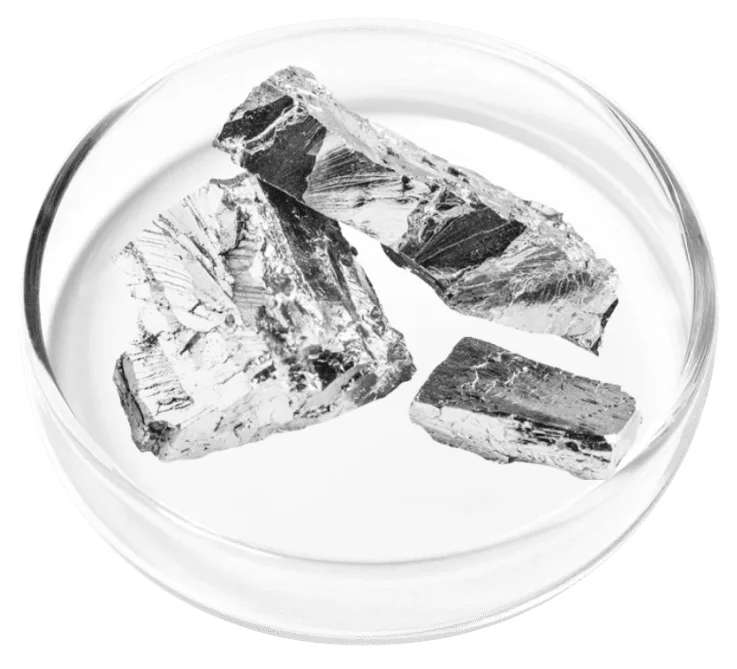
When people think about protecting their teeth, they picture brushing, flossing and cutting back on sweets. What rarely comes up is how the body handles the sugar you do eat — and that is where a quiet trace mineral enters the story. Chromium for oral health is not about scrubbing or whitening; it is about supporting steadier blood-sugar metabolism, which is deeply connected to the environment inside your mouth. This guide explains what chromium is, the blood-sugar-to-mouth mechanism, how much you actually need, and how to read a label without falling for hype.
Chromium is one of the five actives in OxyDental Pro, so we will show where a sensible daily amount fits into a whole-mouth formula. It reads well alongside our guides to xylitol and cavity bacteria and keeping teeth and gums strong with minerals.
Chromium is an essential trace mineral, which means your body needs it but only in tiny (microgram) amounts. The form found in food and supplements is trivalent chromium (chromium-3) — not to be confused with the industrial hexavalent chromium (chromium-6), which is a contaminant and not what any reputable supplement contains. You get small amounts of chromium from foods like broccoli, whole grains, meat, and some fruits, though modern processed diets can be relatively low in it.
Its best-known role in the body is helping the action of insulin, the hormone that lets your cells take up glucose (sugar) from the blood. Chromium appears to enhance insulin's effectiveness, which is why it is so often discussed in the context of blood-sugar balance and carbohydrate metabolism.
Here is the link that ties chromium to oral care, and it works on two levels.
As we cover in our piece on xylitol and cavity bacteria, the bacteria most responsible for tooth decay thrive on fermentable sugars, turning them into enamel-eroding acid. Anything that supports steadier, more efficient handling of dietary sugar is, at least indirectly, part of a sensible whole-mouth strategy. Chromium's role in glucose metabolism sits squarely in that category.
There is a well-established, two-way relationship between blood-sugar control and gum health. People with poorly managed blood sugar tend to have a harder time maintaining healthy gums, and gum inflammation can in turn make blood sugar harder to manage. That relationship is exactly why supporting healthy, steady glucose metabolism is often folded into a mouth-and-body approach. To be clear and compliant: chromium is not a treatment for any condition — it is a nutrient that supports normal metabolism, and it belongs inside a routine, not in place of medical care.
Chromium’s research base sits almost entirely in glucose metabolism, not dentistry, and it is mixed rather than emphatic. A 2024 extensive systematic review in Environmental Geochemistry and Health examined chromium supplementation in type 2 diabetes mellitus (PMID 39541030); a 2014 systematic review and meta-analysis in the Journal of Clinical Pharmacy and Therapeutics assessed the efficacy and safety of chromium supplementation in diabetes (PMID 24635480); and a 2023 network meta-analysis in Pharmacological Research compared vitamin and mineral supplements in the primary-care management of type 2 diabetes (PMID 36638933). Reviewers repeatedly note modest, inconsistent effects rather than a clear treatment signal.
The link to the mouth is therefore indirect, and should be stated that way. Poorly controlled blood glucose is a well-recognised risk factor for gum disease, so anything that supports normal glucose handling is a plausible background contributor to oral health. That is a long way from saying a trace mineral treats gum disease, which it does not. The NIH Office of Dietary Supplements chromium fact sheet sets the reference intakes; note also that if you take glucose-lowering medication, chromium is a conversation to have with your doctor first.
Chromium is recognised as an essential nutrient, and its involvement in insulin function is the reason it has been studied so widely in relation to glucose and carbohydrate metabolism. The strength of the evidence varies by outcome and population, and health authorities are careful to describe chromium as supporting normal metabolism rather than as a fix for any disease. For a healthy person, the sensible takeaway is simple: getting an adequate, everyday amount of chromium is part of good general nutrition, and good general nutrition is good for your mouth.
As with the other trace minerals in this series, chromium is a supporting player. It will not replace brushing, flossing or a sensible diet — but as one active in a well-rounded formula, it rounds out the metabolic side of oral wellness.
Because chromium is a trace mineral, the amounts are small:
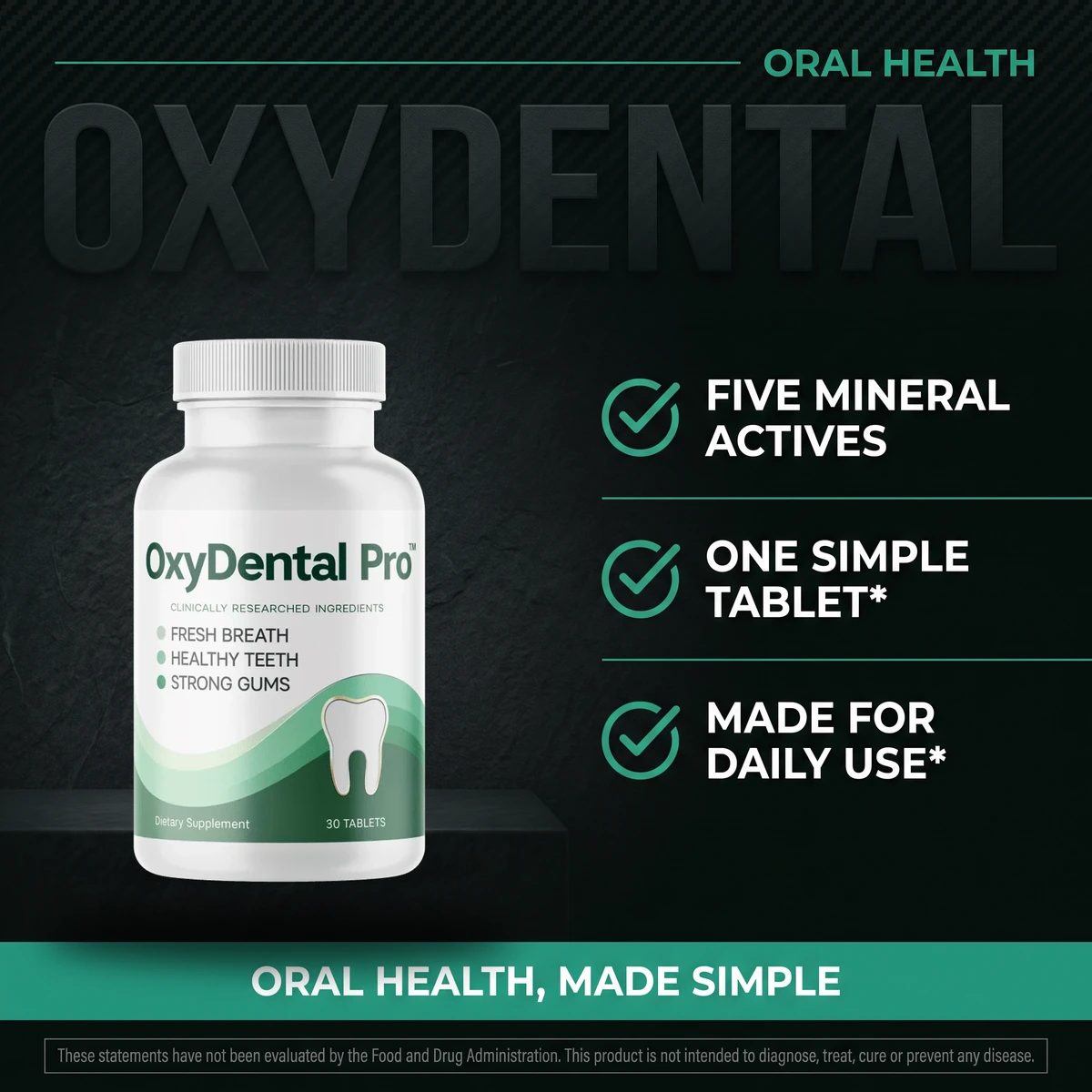
OxyDental Pro provides 50 mcg of chromium (as chromium chloride) per tablet — a straightforward, everyday amount that comfortably covers the trace baseline while sitting alongside calcium, copper chlorophyllin, iodine and the botanical blend. It is a good example of a formula respecting the “trace means trace” principle.
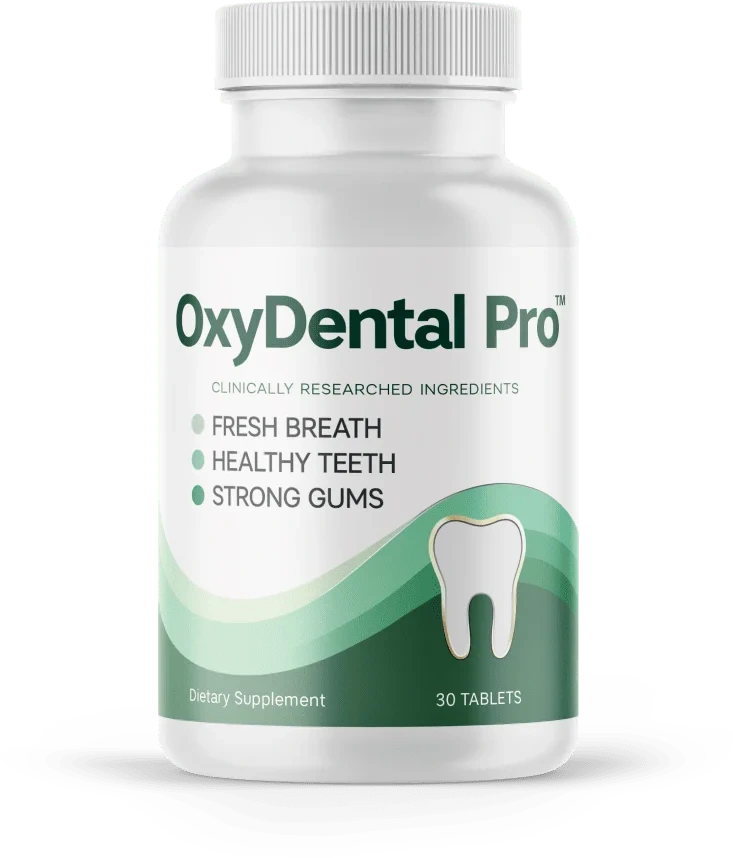
Chromium handles the metabolic corner of the formula, supporting how your body deals with everyday sugars, while calcium supports enamel, copper chlorophyllin freshens breath and xylitol keeps the tablet tooth-friendly — five actives, one tablet a day.
See the Full FormulaChromium is also one of the few trace minerals to have been trialled alongside a botanical resin in the same capsule, which is one reason it turns up in the discussion of shilajit for teeth and gums.
Look for a specific chromium form — chromium chloride, chromium picolinate, or chromium from nutritional yeast — with a stated microgram amount and percent daily value. “Trace mineral blend” with no numbers tells you nothing.
Reputable supplements use trivalent chromium (chromium-3), the dietary form. This is standard, but it is reassuring to see a clean, transparent ingredient list from a quality manufacturer.
Because the requirement is measured in micrograms, be wary of products boasting enormous chromium numbers as if bigger equals better. A modest, clearly stated amount inside a balanced formula is the mark of a thoughtful product.
For the mouth, chromium is most useful next to enamel and breath support. A formula pairing it with enamel-supporting calcium and copper chlorophyllin does more of the whole job than chromium on its own.
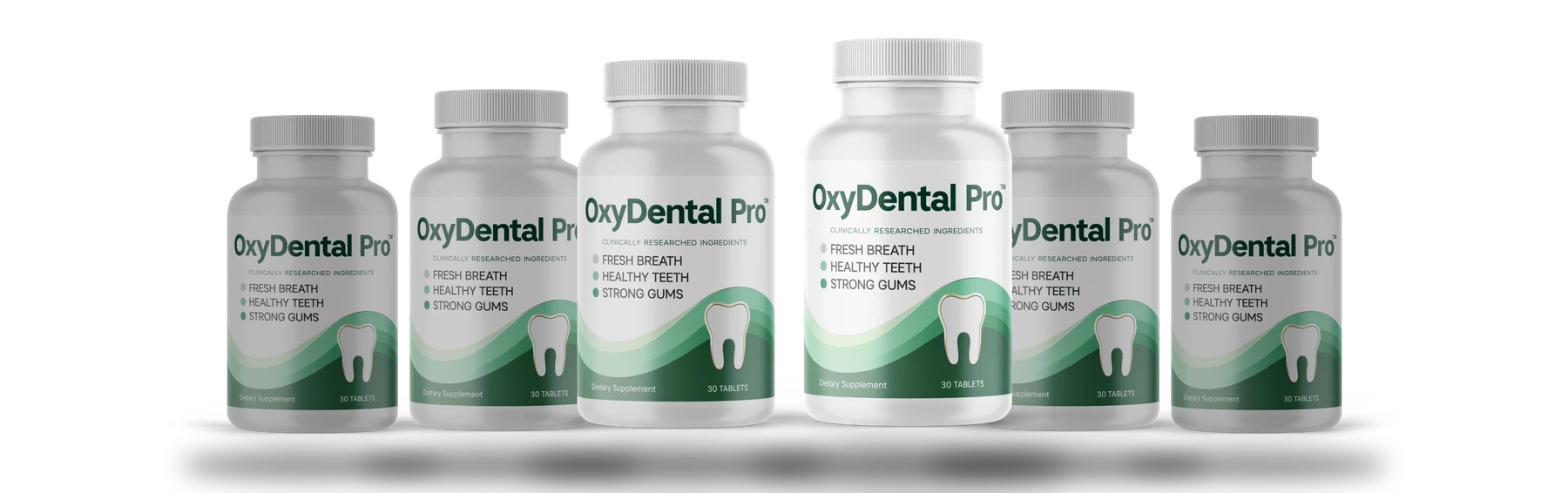
OxyDental Pro brings chromium together with calcium, iodine, copper chlorophyllin and a botanical blend in one daily tablet. The 6-bottle package is the best value with free U.S. shipping and three bonus guides, backed by a 60-day money-back guarantee.
 See OxyDental Packages
Chromium is a trace mineral that helps the body use insulin and manage everyday sugars. Because sugar is the fuel for the bacteria behind decay, supporting steadier sugar handling is a sensible, indirect part of a whole-mouth routine, alongside brushing and flossing.
No. Chromium works from the inside on how the body processes glucose. It is not a surface cleaner or whitener. Its role in an oral formula is supportive and metabolic, not cosmetic.
Adequate intake for chromium is roughly 20 to 35 micrograms per day for adults. It is needed only in tiny trace amounts. OxyDental Pro provides 50 mcg of chromium per tablet, an amount in line with everyday supplement use.
Common supplement forms include chromium chloride, chromium picolinate and chromium from nutritional yeast. Any well-made form providing a stated microgram amount can contribute; transparency on the label matters more than hype about one form.
Trivalent chromium, the form used in supplements and food, is generally well tolerated at typical amounts. If you take medication for blood sugar or have a medical condition, speak to your physician first, since chromium can interact with how the body manages glucose.
Yes, foods like broccoli, whole grains and lean meats supply chromium, and food should be your foundation. Because modern processed diets can be low in it, a modest supplemental amount is a reasonable everyday top-up for many people.
Sources for the claims above. Every PubMed link was checked against the NCBI record on 3 September 2026, so the title shown here is the title of the paper it opens.
Research into an ingredient is not evidence about any finished product. No clinical trial has been published on the OxyDental Pro formula, and none of the studies above tested it; the doses used in research are frequently different from the amounts on a supplement label.
The OxyDental Research Team is an independent group of writers and reviewers focused on oral-health nutrition and supplement science. We read the ingredient literature, cross-check dosing against public sources such as the NIH Office of Dietary Supplements, and explain the mechanisms in plain language.
Everything here is general educational information about ingredients and their traditional or researched uses. It is not medical advice, and it does not diagnose, treat, cure or prevent any disease. Talk to a dentist or physician about your own situation.
Keep reading: learn how xylitol starves the bacteria behind decay, why copper chlorophyllin targets breath at the source, or return to the OxyDental Pro homepage.
† These statements have not been evaluated by the FDA. This product is not intended to diagnose, treat, cure or prevent any disease. This article is for general information only and is not medical advice.