
Disclosure: this is an independent guide, not the manufacturer’s website. Some links here are affiliate links and we may earn a commission at no extra cost to you. † These statements have not been evaluated by the Food and Drug Administration. This product is not intended to diagnose, treat, cure or prevent any disease, and nothing here is medical or dental advice — bleeding gums, persistent pain, a loose tooth or a mouth sore that has not healed in two weeks need a dentist.
| What it is | A mineral-rich resin from mountain rock, used in Ayurveda for centuries. |
| Why for the mouth | It supplies fulvic acid and trace minerals, supporting the mineral balance that maintains bone, jaw and healthy tissue. |
| Dosing context | Stand-alone use is often ~250–500 mg/day; in a blend it appears in smaller supporting amounts. |
| Label tip | Use only purified, third-party-tested shilajit — raw resin can carry contaminants. |
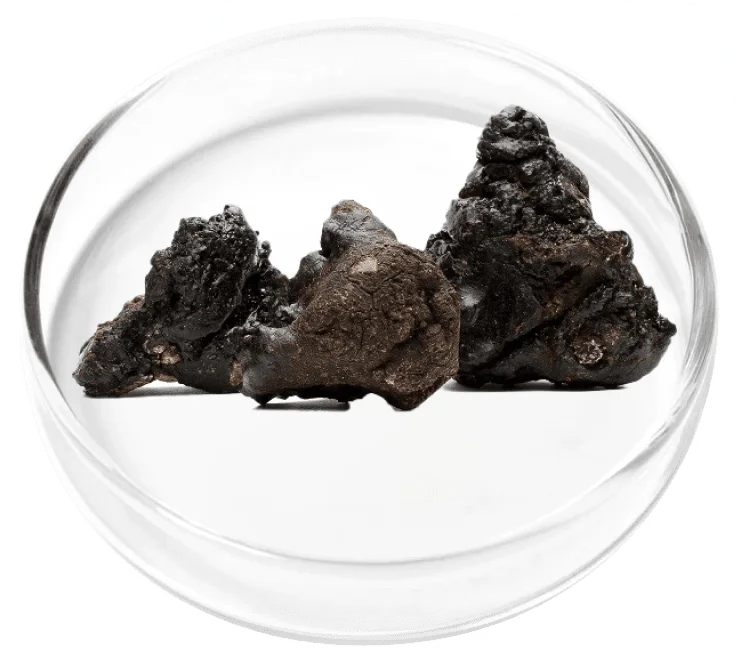
Few ingredients have a backstory quite like shilajit. This dark, sticky resin seeps from the rock of high mountain ranges, most famously the Himalayas, where it has been collected and used in traditional Ayurvedic medicine for centuries. Its appeal is easy to understand once you know what it contains: a natural concentration of fulvic acid and a broad spectrum of trace minerals. That is exactly why shilajit for teeth and gums is worth understanding — not as a tooth treatment, but as a mineral-rich supporting ingredient in a whole-mouth formula. This guide explains what shilajit is, the mechanism behind its role, how much people use, why purity matters so much, and how to read a label.
Shilajit is part of the botanical Dental Health Blend inside OxyDental Pro, so we will show exactly where it fits. It pairs naturally with our guide to boron for teeth and bones and with the whole-food story in our chlorella benefits for teeth and gums deep dive.
Shilajit is a mineral-rich resin that forms over very long periods as plant and microbial matter is compressed within rock. As mountain temperatures warm, it oozes from cracks in the stone and is collected, then purified for use. In traditional Ayurvedic practice it has been prized as a rejuvenating tonic, and modern interest centres on two things: its high content of fulvic acid and its remarkably broad range of trace minerals — potentially dozens of them, in small amounts.
That combination is what makes shilajit an interesting member of a mineral-based oral formula. Rather than supplying one nutrient, it brings a natural, complex spectrum of minerals plus fulvic acid, complementing the targeted, measured actives around it.
Shilajit does not build enamel and it does not act on the tooth surface. Its role is nutritional and supportive, working upstream on the body’s mineral supply. Here is how.
Teeth, the jawbone that anchors them, and the soft tissues of the mouth all depend on minerals — not just calcium, but a wide cast of trace minerals in small amounts. Shilajit contributes to that supply with its naturally broad mineral content, backing up the specific minerals a formula supplies on their own.
Fulvic acid is shilajit’s signature compound. It is traditionally described as a natural mineral carrier and antioxidant — a molecule that can bind minerals and is thought to help the body take them up and use them. In the context of a mineral formula, that carrier role is the appealing idea: fulvic acid may help the minerals it accompanies do their supporting job.
The jawbone is living tissue that constantly remodels, and it is the true foundation of your teeth. The same mineral balance that keeps the skeleton resilient helps keep the jaw strong. Shilajit’s minerals and fulvic acid make it a sensible supporting partner to the calcium and boron that headline the bone-and-mineral story.
Shilajit is one of the ingredients where the gap between marketing and evidence is widest, so start with the gap: no published human trial has measured shilajit against any oral-health outcome. Not plaque, not gum bleeding, not breath. The human research that does exist is small and aimed elsewhere. A 2026 open-label pilot study in Cureus followed 28 days of shilajit resin supplementation in healthy adults, measuring physical performance and blood biomarkers (PMID 41613504). A 2025 randomised, double-blind, placebo-controlled trial in Nutrients tested 12 weeks of chromium, Phyllanthus emblica fruit extract and shilajit on cardiometabolic markers, fitness and weight in adults with metabolic syndrome risk factors (PMID 40573153).
Two more things belong on the record. Shilajit is a resin collected from rock, and quality varies enormously between sources, with heavy-metal contamination a documented concern in unstandardised material — which is why a named standardisation such as 5% fulvic acid, and third-party testing, matter more here than for most ingredients. And because shilajit is a botanical rather than a nutrient with a reference intake, general guidance on choosing supplements applies: the NIH Office of Dietary Supplements sets it out in Dietary Supplements: What You Need to Know.
Shilajit has been studied for its fulvic acid content, its antioxidant properties and its traditional tonic uses, and interest in it has grown as purified, standardised extracts have become available. As with most traditional botanicals, the honest framing is that shilajit is a mineral-rich supporting ingredient with a long history of traditional use — not a proven treatment for any dental or medical condition. Direct trials on shilajit and specific oral outcomes are limited, so we describe it in terms of its mineral and fulvic acid content and its traditional role rather than clinical claims.
The compliant takeaway: shilajit is used as a supportive, mineral-rich partner within a balanced formula. It works alongside diet and the other actives, and it does not replace brushing, flossing or the care of a dentist or doctor.
In OxyDental Pro, shilajit is part of the 120 mg botanical Dental Health Blend (with chlorella vulgaris and boron citrate), where it contributes fulvic acid and trace minerals as a supporting partner to the formula’s calcium and named minerals. That is the sensible way to use a mineral-rich resin in an oral supplement: a modest, purified amount, in good company, rather than a heavy stand-alone dose.
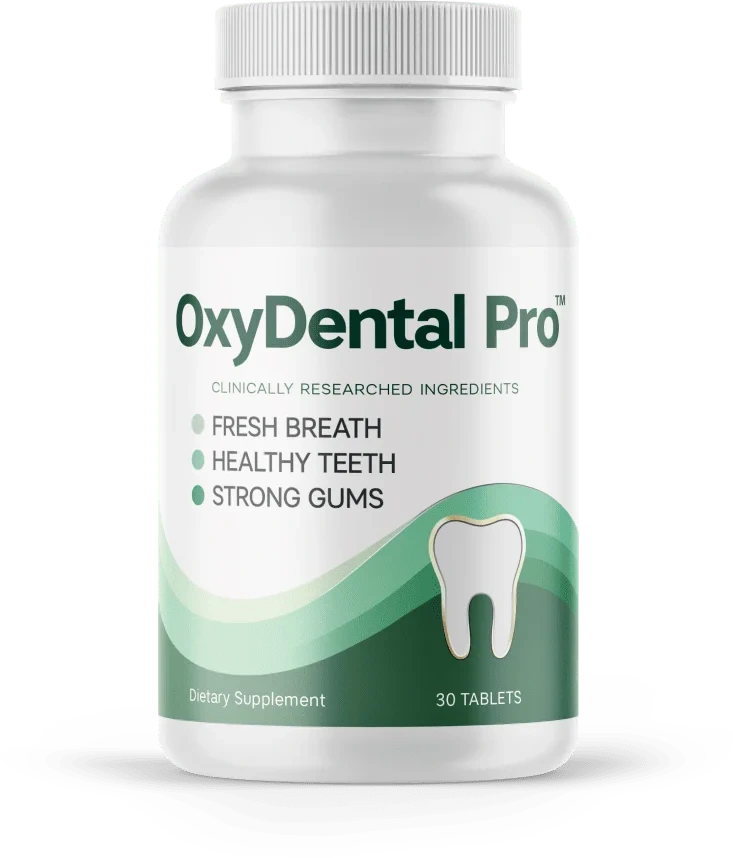
Shilajit sits in the botanical Dental Health Blend, adding fulvic acid and trace minerals, while calcium supports enamel, iodine supports soft tissue, copper chlorophyllin freshens breath and chromium helps with sugar handling. Five actives, one daily tablet.
See the Full FormulaBecause shilajit is usually sold on a cellular-energy story, it is worth reading beside the one ingredient in this field that has actually been trialled on gum tissue — see CoQ10 for gums and teeth.
This is the single most important rule with shilajit. Raw, unprocessed resin sold cheaply online can contain heavy metals or contaminants. Choose only shilajit that is described as purified and third-party tested, ideally with a certificate of analysis available.
Prefer shilajit used within a product made in an FDA-registered, GMP-certified facility from non-GMO ingredients, with transparent labelling. In a blend, look for a stated total milligram amount for the blend it belongs to.
Shilajit is a supporting mineral ingredient, so it works best beside targeted actives. A formula that pairs it with enamel-supporting calcium, boron and a whole-food green like chlorella gives you breadth plus specificity.
Treat shilajit as a supportive nutrient, not a cure-all. Be sceptical of products making dramatic promises — a modest, purified amount as part of a balanced formula is the credible approach.
OxyDental Pro brings purified shilajit together with calcium, iodine, copper chlorophyllin, chromium, boron and chlorella in one daily tablet. The 6-bottle package is the best value with free U.S. shipping and three bonus guides, backed by a 60-day money-back guarantee.
 See OxyDental Packages
Shilajit is a sticky, mineral-rich resin that seeps from rock in mountain ranges such as the Himalayas. It is traditionally used in Ayurveda and is valued for its fulvic acid and its broad spectrum of trace minerals, which support overall mineral balance rather than acting on the tooth surface directly.
Shilajit contributes trace minerals and fulvic acid to a formula. Fulvic acid is traditionally described as a natural carrier that may help the body take up minerals, so shilajit is used as a supporting partner to the calcium and trace minerals that maintain bone, the jaw and healthy soft tissue.
Fulvic acid is a natural compound formed as plant matter breaks down over long periods, and it is a signature component of shilajit. It is traditionally regarded as a mineral carrier and antioxidant, which is part of why shilajit is prized as a mineral-rich resin.
Stand-alone purified shilajit is often used at roughly 250 to 500 mg per day. In a multi-ingredient oral formula it appears in smaller supporting amounts. In OxyDental Pro, shilajit is part of a 120 mg botanical Dental Health Blend with chlorella and boron citrate.
Only purified, tested shilajit should be used, because raw resin can carry heavy metals or contaminants. Look for a product that states it is purified and third-party tested, from an FDA-registered, GMP-certified facility. Consult your doctor before use if pregnant, nursing or taking medication.
Purified shilajit is generally used as a daily supplement in modest amounts. As part of a balanced formula it is designed for everyday use, but as with any supplement, check with your physician if you are pregnant, nursing, on medication or have a health condition.
Sources for the claims above. Every PubMed link was checked against the NCBI record on 3 September 2026, so the title shown here is the title of the paper it opens.
Research into an ingredient is not evidence about any finished product. No clinical trial has been published on the OxyDental Pro formula, and none of the studies above tested it; the doses used in research are frequently different from the amounts on a supplement label.
The OxyDental Research Team is an independent group of writers and reviewers focused on oral-health nutrition and supplement science. We read the ingredient literature, cross-check dosing against public sources such as the NIH Office of Dietary Supplements, and explain the mechanisms in plain language.
Everything here is general educational information about ingredients and their traditional or researched uses. It is not medical advice, and it does not diagnose, treat, cure or prevent any disease. Talk to a dentist or physician about your own situation.
Keep exploring: read about boron for teeth and bones, compare calcium vs hydroxyapatite for enamel, or return to the OxyDental Pro homepage.
† These statements have not been evaluated by the FDA. This product is not intended to diagnose, treat, cure or prevent any disease. This article is for general information only and is not medical advice.