
Disclosure: this is an independent guide, not the manufacturer’s website. Some links here are affiliate links and we may earn a commission at no extra cost to you. † These statements have not been evaluated by the Food and Drug Administration. This product is not intended to diagnose, treat, cure or prevent any disease, and nothing here is medical or dental advice — bleeding gums, persistent pain, a loose tooth or a mouth sore that has not healed in two weeks need a dentist.
| What it is | A trace mineral from plants that helps the body manage other minerals. |
| Why for teeth & bones | It supports calcium, magnesium and vitamin D — the nutrients that maintain bone and the jaw that holds teeth. |
| Dosing context | Diet supplies ~1–3 mg/day; supplement studies often use ~3 mg/day; upper limit ~20 mg/day. |
| Label tip | Look for a named boron form (e.g. boron citrate) with a stated milligram amount. |
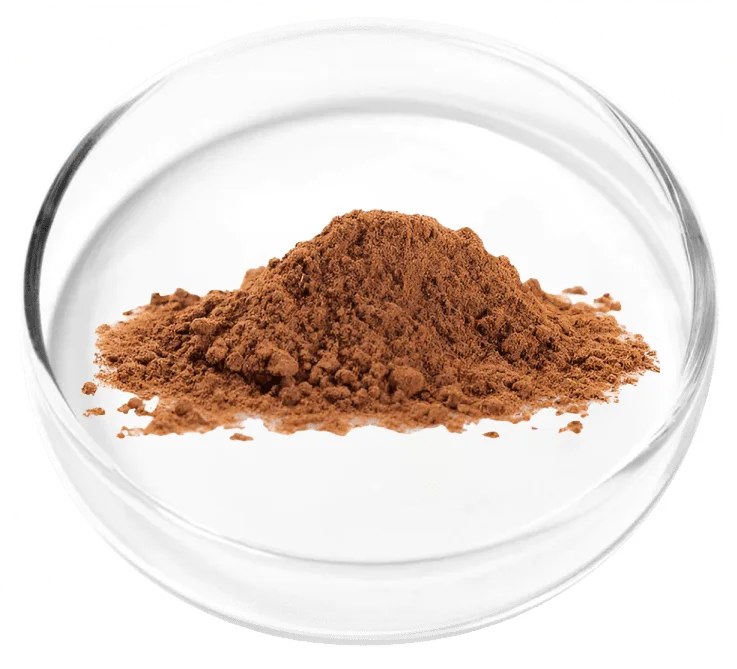
Calcium gets all the attention when we talk about strong teeth and bones — but calcium cannot do its job alone. It needs a supporting cast of nutrients to be absorbed, retained and put to use, and one of the least-known members of that cast is a humble trace mineral called boron. Boron for teeth and bones is a story about mineral teamwork: how one small mineral helps your body hold on to and use the big ones. This guide explains what boron is, the mechanism behind its role in bone and jaw health, how much you actually need, and how to read a label so you get a form that works.
Boron is part of the botanical Dental Health Blend inside OxyDental Pro, so we will show where it fits in a whole-mouth formula. It is the natural next read after our guide to calcium vs hydroxyapatite for enamel and the overview of keeping teeth and gums strong with minerals.
Boron is a trace mineral found naturally in plants — fruits like apples, pears, prunes and raisins, along with nuts, legumes and leafy vegetables are among the richest sources. It enters the food chain through soil, so how much boron you get partly depends on where your food is grown. Most people take in only a few milligrams a day, and diets low in fruit and vegetables can be lower still.
For a long time boron was considered nutritionally unimportant. That view has shifted: while it is not classed as strictly “essential” in the way calcium is, a growing body of research treats it as a beneficial trace mineral with a real role in how the body handles other minerals and hormones. It is exactly the kind of quiet supporting nutrient that a whole-mouth, whole-body formula is designed to cover.
Boron does not build enamel or bone directly. Instead, it works upstream — on the minerals and vitamins that build and maintain them. Here is how.
Studies suggest boron can reduce the amount of calcium and magnesium lost in the urine. In other words, it helps the body hold on to the very minerals that make up bone and the jaw that anchors your teeth. When your intake of those minerals is only borderline, holding on to more of what you have becomes especially valuable.
Vitamin D is essential for absorbing calcium, and research indicates boron can support the activity and half-life of vitamin D in the body. Since calcium absorption depends on vitamin D, boron's influence here indirectly supports the whole calcium pathway — a good example of nutrient teamwork.
Boron has been studied for its role in bone mineral metabolism and in supporting healthy levels of certain hormones involved in bone maintenance. The jawbone is living tissue that constantly remodels, and the same nutrients that keep the skeleton strong help keep that jawbone — and therefore the foundation of your teeth — resilient.
Boron is not classed as an essential nutrient for humans, no Recommended Dietary Allowance has been set for it, and the honest summary of the evidence is “interesting, not settled”. A 2026 review in Handbook of Experimental Pharmacology covering boron in the diet and as a dietary supplement describes a nutrient with plausible roles in bone and mineral metabolism but a thin human trial base (PMID 42185672). The NIH Office of Dietary Supplements reaches the same conclusion in its boron fact sheet for health professionals, which also sets the adult tolerable upper intake level at 20 mg per day — far above the trace amounts used in oral formulas.
Boron does appear in dental research, but usually in a form that has nothing to do with swallowing it: a 2025 study in BMC Oral Health tested a boron-doped bioactive glass applied directly to artificial root-surface caries (PMID 41350853). That is a material placed on a tooth by a clinician, not a mineral taken by mouth, and the two routes should never be conflated.
The evidence for boron is best described as promising and supportive rather than conclusive. Controlled studies — many using around 3 mg per day — have reported effects on calcium and magnesium retention and on vitamin D status, particularly in people whose intake of those nutrients was marginal. Reviews generally conclude that boron is a beneficial nutrient for bone and mineral metabolism, while calling for more research to pin down the full picture.
The compliant, sensible framing is this: boron is a supporting nutrient, not a treatment. It works alongside calcium, magnesium and vitamin D as part of a good diet and a well-rounded formula — it is not a stand-alone fix for any bone or dental condition, and it does not replace the care of a dentist or doctor.
Boron has no official recommended daily allowance, but the numbers are well characterised:
In OxyDental Pro, boron citrate is part of the 120 mg Dental Health Blend (with chlorella and shilajit), so it works as a mineral-balance partner to the calcium in the formula rather than as a mega-dose. That is the intelligent way to use a trace mineral: a modest amount, in good company, doing a specific supporting job.
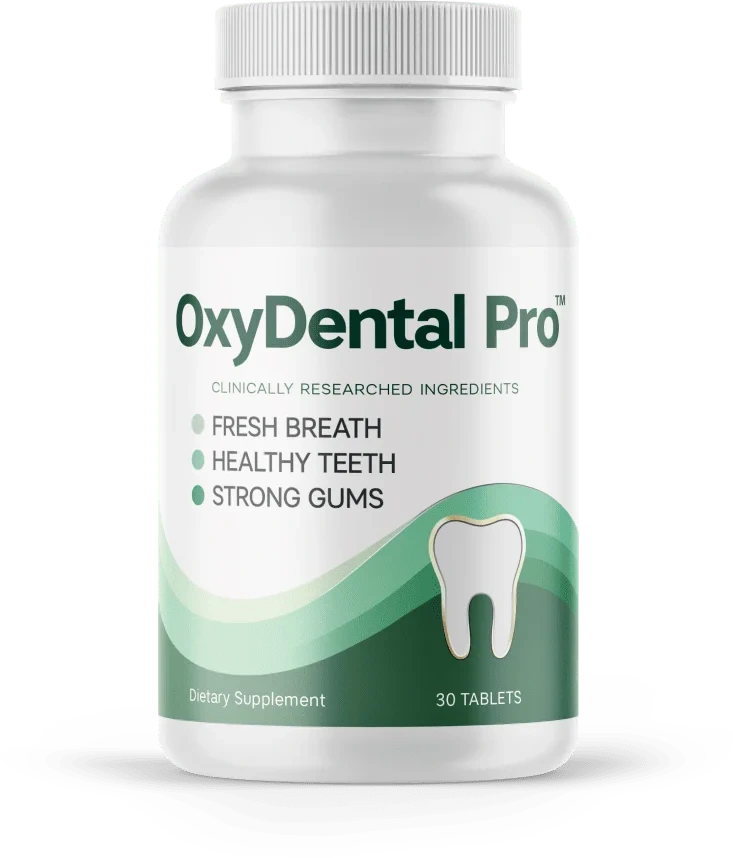
Boron sits in the botanical Dental Health Blend, supporting calcium and magnesium balance, while calcium supports enamel, copper chlorophyllin freshens breath and chromium helps with sugar handling. Five actives, one daily tablet.
See the Full FormulaMinerals in the diet are only half of the story; the body also has to route them to the right tissue, which is the job of the vitamin-K-dependent proteins we cover in vitamin K2 for teeth.
Look for a specific form such as boron citrate, boron glycinate, or a fruit-derived boron complex, with a stated milligram amount. “Trace mineral blend” with no numbers hides what you are actually getting.
A few milligrams is the norm. Be wary of products pushing very high boron numbers — more is not better, and staying well under the ~20 mg upper limit is the sensible approach.
Boron shines next to the minerals it supports. A formula that pairs it with enamel-supporting calcium and, ideally, magnesium and vitamin D gives boron something to work with rather than leaving it to act alone.
As always, prefer products made in an FDA-registered, GMP-certified facility from non-GMO ingredients, with transparent labelling and no unnecessary fillers.
OxyDental Pro brings boron together with calcium, iodine, copper chlorophyllin, chromium and a botanical blend in one daily tablet. The 6-bottle package is the best value with free U.S. shipping and three bonus guides, backed by a 60-day money-back guarantee.
 See OxyDental Packages
Boron is a trace mineral that helps the body manage calcium, magnesium and vitamin D, the nutrients that build and maintain bone and the jaw that anchors your teeth. It supports mineral balance rather than acting on the tooth surface directly.
Research suggests boron helps reduce the loss of calcium and magnesium in the urine and supports the activity of vitamin D, which is needed to absorb calcium. In effect, boron helps the body hold on to and use the minerals that keep bone and jaw strong.
Most people get 1 to 3 mg of boron a day from a plant-rich diet, and supplement research often uses around 3 mg per day. There is no official daily value, but a tolerable upper intake of about 20 mg per day for adults is recognised.
At the small amounts found in food and typical supplements, boron is generally well tolerated. Stay within sensible supplement amounts and well below the recognised upper limit, and consult your physician if pregnant, nursing or on medication.
Look for a named boron form such as boron citrate, glycinate or a fruit-derived complex, with a stated milligram amount. Boron works best beside calcium, magnesium and vitamin D, so a formula that includes mineral partners is a plus.
A diet rich in fruit, vegetables, nuts and legumes supplies useful amounts of boron, and food should be your foundation. Because intake varies with soil and diet, a modest supplemental amount can be a reasonable everyday top-up for many people.
Sources for the claims above. Every PubMed link was checked against the NCBI record on 3 September 2026, so the title shown here is the title of the paper it opens.
Research into an ingredient is not evidence about any finished product. No clinical trial has been published on the OxyDental Pro formula, and none of the studies above tested it; the doses used in research are frequently different from the amounts on a supplement label.
The OxyDental Research Team is an independent group of writers and reviewers focused on oral-health nutrition and supplement science. We read the ingredient literature, cross-check dosing against public sources such as the NIH Office of Dietary Supplements, and explain the mechanisms in plain language.
Everything here is general educational information about ingredients and their traditional or researched uses. It is not medical advice, and it does not diagnose, treat, cure or prevent any disease. Talk to a dentist or physician about your own situation.
Keep exploring: read the full comparison of calcium vs hydroxyapatite for enamel, learn how chromium supports blood-sugar handling, or return to the OxyDental Pro homepage.
† These statements have not been evaluated by the FDA. This product is not intended to diagnose, treat, cure or prevent any disease. This article is for general information only and is not medical advice.